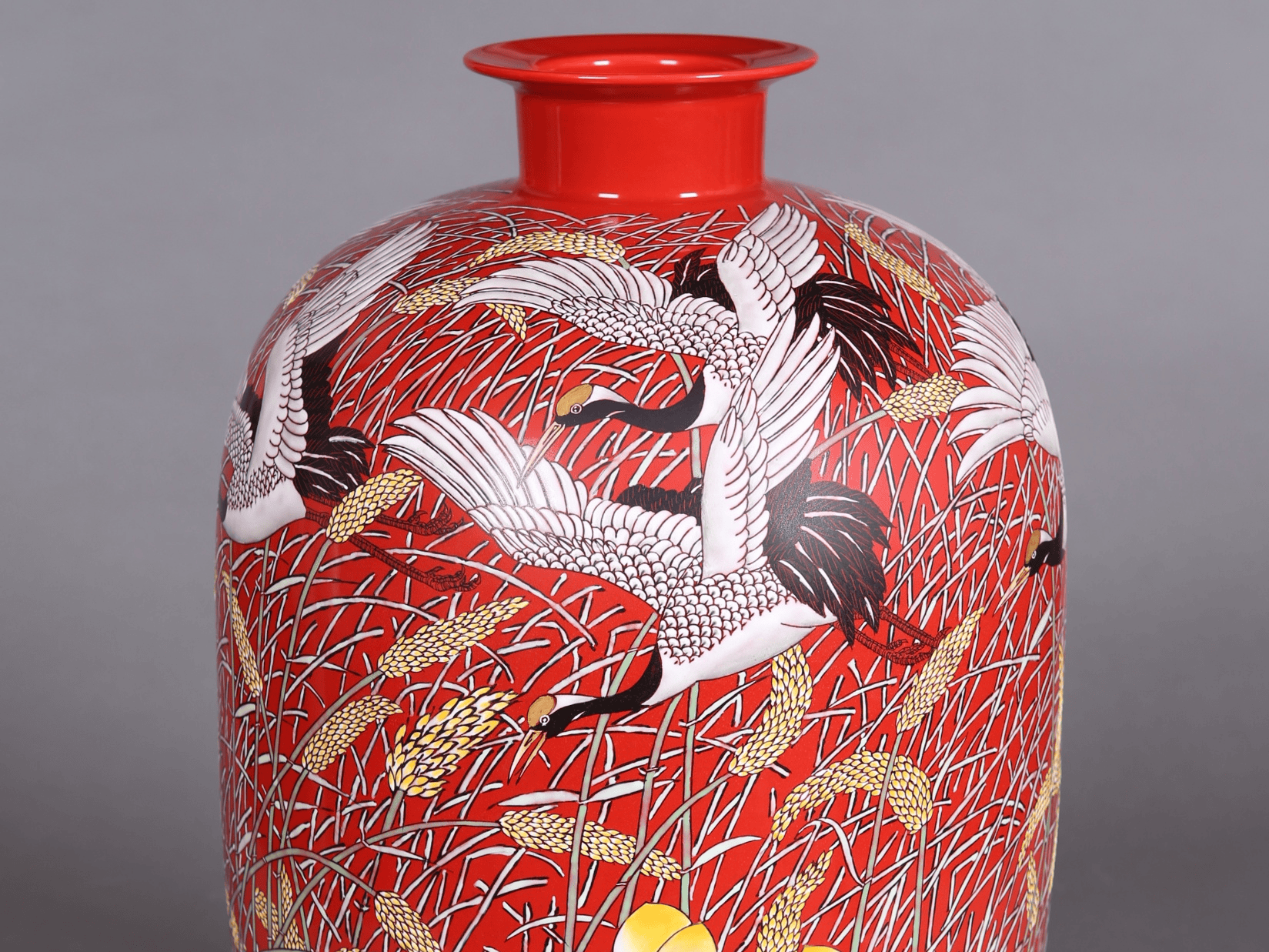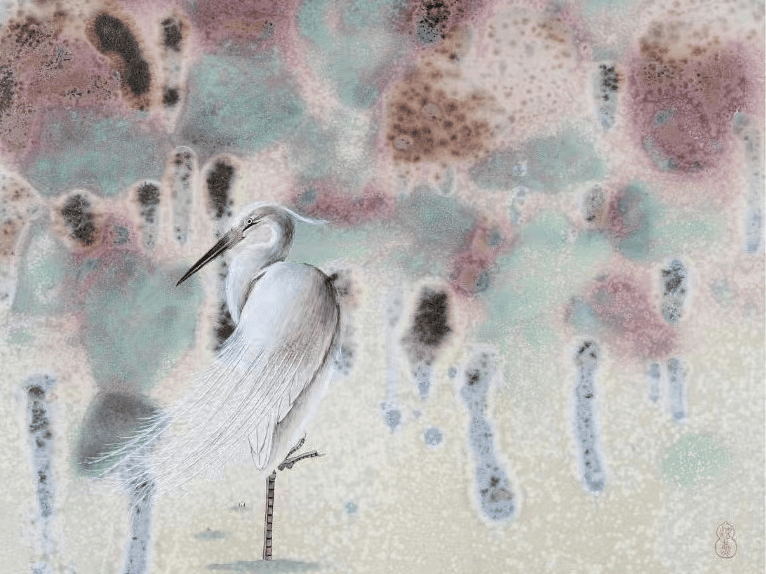
Ceramic statue symbolizes a extraordinary expression style with a vast legacy, extending back myriad of decades. From ancient vessels to current placements, the component offers unparalleled possibilities for creative articulation. Designers manipulate various techniques – including modeling, wheel rotating, and refined firing processes – to craft humble clay into evocative three-dimensional creations. The resilience of fired terracotta also contributes to its status as a truly noteworthy part of human society.
Exploring Ceramic Panel Motifs and Approaches
The sphere of ceramic tablet design offers a ample array of expressive possibilities. Crafters often engage a assortment of established and innovative techniques to create visually striking pieces. These can range from simple, hand-carved reliefs to complex, multi-layered compositions. Popular methods include mold making, hand shaping, enameling – which can involve different methods like primary coloration, applying decoration after firing, and scratched decoration where designs are uncovered by scraping a layer of sheen. Enhanced inquiry into exterior stylings such as cold firing and metallic glaze can create truly one-of-a-kind and individualized pottery boards.
- Shape Forming - Making pieces using a pattern
- Sculpting by hand - Directly shaping the mud
- Surface Finishing - Spreading the exterior with a lustrous finish
- Etched illustration - Disclosing designs by stripping overlays
Engaging Experiences: Brick Art Arrangements
The expanding landscape of imagination presents exciting cutting-edge avenues for participants, and ceramic art installations are at the summit of this revolution. These aren't just static pieces; they are fabricated to envelop the viewer in a sensory experience. Imagine travelling across a forest of towering, coated ceramic trees, or navigating a labyrinth of exquisite ceramic vessels. Many creators are now incorporating noises, visuals, and even smell to enhance the effect of their work. Consider the power of a room filled with hundreds of meticulously ceramic objects, each telling a legend. Frequently, such installations analyze themes of the earth, history, and humankind.
- The mentioned installations blur the distinctions between design and space.
- Engaging with a ceramic art installation can be a deeply intimate journey.
- Craftsmen are pushing the frontiers of what is accomplishable with clay.
That Attractiveness of the Clay Holder: Function and Structure
The terracotta pot represents a notable conjunction of functionality and decorative appeal. Historically, these vessels served a minimalist mission in holding plants, but their advancement has transformed them into highly valued works of art. Each creation showcases the mastery of the builder, demonstrating how shape can be as vital as service. The careful shaping, the special glazes, and the full presence of a masterfully-crafted pot can improve a space, offering both appeal and a gentle reminder of the artistic hand.
Present-day Porcelain Model : Pushing Limits
Present-day stoneware figure represents a fascinating transformation from traditional practices. Creators are boldly exploring with fresh tactics, merging the separations between craft and other creative fields. From expansive installations to fine miniature pieces, those works study themes of individuality while in unison remodeling the basic of what porcelain can manifest. The result is a vigorous sphere of expressive articulation.
Terracotta Panel: Conserving Chronicle in Porcelain
Stoneware plaques offer a special method for registering significant events and individuals. Compared to traditional metal or stone markers, these resilient pieces of craftsmanship are formed from fired clay, creating a substantial link to the olden times. Habitually, they present intricate embossments or artistically decorated imagery, illustrating stories that Magic Cube Ceramics Travel Cup might otherwise be forgotten. An technique, rooted in ancient folk, provides a stunning and eternal way to recognize our collective legacy.
- These can be disposed in public spaces.
- Many are now recognized historical wonders.
Porcelain Art Arrangements: Remodeling Environments
Pottery art installations are surfacing a strong medium for makers to reinvent public and private venues. These immersive projects frequently involve extensive clay forms that attract viewers, altering their understanding of the engineered environment. By adopting diverse techniques like hand fabrication and sophisticated firing tactics, ceramic artists construct truly distinctive experiences, erasing the divisions between form and structure. The effectiveness is often a emotional transformation that improves the aesthetic quality of the site and fosters interaction.
From Rotating Wheel to Wonder: The Method of the Ceramic Urn
The journey of a brick container from a simple lump of dirt to a complete work of expression is a testament to human skill. Originally, the process begins with the potter’s rotating tool, where the knowledgeable artisan forms the twisting clay into a cylindrical figure. This introductory phase demands sharpness and a disciplined eye, followed by a delicate firming period. Once rough-fired, the vase is ready for adornment, which may require designing intricate designs, cutting detailed portraits, or using a range of layers. The definitive baking process then modifies the product into a durable and eye-catching pot, a tangible manifestation of the artist's passion.
Sculpting with Ceramic Material: A Handbook to Terracotta Practice
Delving the sphere of earthenware design begins with mastering the rudiments of sculpting with earthenware. This particular system demands precisely composing and subtracting material to form three-dimensional pieces. Whether you're a newcomer or a proficient artisan, exploring with distinct classes of terracotta – specifically clay – will advance you detect your personal expression. After all, ceramic forming is a satisfying exploration that blends practical expertise with creative expression.