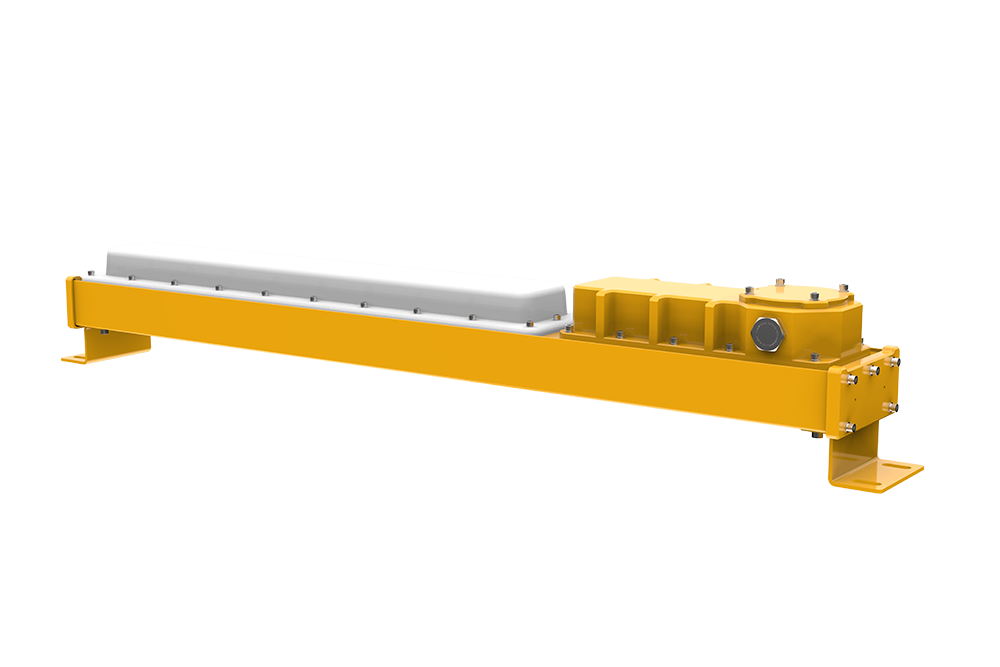
Initiating our treatise reviews various approaches regarding intrinsically safe systems among commercial workspaces.
Performing safely around risky locales for instance chemical sites requires designed tools intended to eliminate conceivable hazards. Flame-proof lighting devices are fundamental features in related sites, fabricated to resist ignitable bursts, combustible emissions, and explosive conditions. Different components are not fundamentally secure; alternatively they are manufactured to confine any embedded spark or flare and avoid it from causing a amplified ignition in the adjacent setting. This compendium provides crucial knowledge about explosion-proof units, their uses, and risk management points for applying them properly.
Recognizing Explosion Proof Lighting Standards
Operating within prescribed intrinsically safe lighting rules can be intricate, especially inside workplaces dealing with hazardous atmospheres. These codes – often grounded on domestic bodies particularly the National Electrical Regulation (NEC), ATEX (Europe), and IEC – dictate stringent design and placement processes to curb the threat of burning from voltage-based tools. Understanding these standards is critical for ensuring worker safety and adherence with mandatory commands.
Electroluminescent Explosion Proof Lights: Efficiency & Safety
LED explosion proof lights represent a meaningful development over previous neon devices in sites where inflammable fumes are found. These robust units not only generate high-quality energy management, culminating in diminished running costs, but more importantly guarantee a amplified grade of safeguarding by minimizing the chance of fire outbreaks as a consequence of fault discharge}.
Ex Unsafe Environment Risky Proof Explosion Flare Glow Resistant} Luminaires : A Elaborate Manual
Explosion Rated Hazardous Setting Risky Proof} Lights are exclusively built lighting solutions built to execute safely within conceivably explosive locations. These heavy-duty fixtures check sparks, warmth and static streams from causing a grave explosion. They generally incorporate specialized designs, involving such as closed housings and fundamentally safe voltage elements to confirm safety requirements in workplaces like crude & chemical gases processing, processing plants, resource recovery operations, and biomedical production.
Appointing the Appropriate Spark-Proof Fixtures for Treacherous Locations
Assessing the correct hazard-resistant systems for a particular regulated area demands in-depth inspection. Aspects such as the rating (e.g., Segment I, II, or III and areas A) shall be correctly examined to maintain conformance with suitable defense standards. In addition to the precinct's intrinsic threats, factor in ecological factors, consisting of coldness and moisture, to select a tough and stable answer. Consistently collaborate with a authorized expert to help your evaluation.
Environments Where Require Explosion Proof Lights?
Explosion-proof alternatively intrinsically safe|hazardous location|Class-rated} luminaries are unequivocally needed in numerous areas where hazardous chemicals or residues could potentially create a hazardous atmosphere. This often includes manufacturing manufacturing plants, lacquer application areas, crop handling facilities, and liquid waste treatment sections. Regulations, such as those from OSHA and UL, direct their fitting in these sectors to deter the risk of flaring and keep operational effectiveness.
Positives of Semiconductor in Hazloc Units
Utilizing Crystal-Based technology for detonation-safe units offers a important variety of gains. First, photon emitters boast a markedly longer duration compared to traditional halogen lamps, reducing handling payments and stoppages. They are also fundamentally safer, producing reduced warmth which diminishes the hazard of burning in risky atmospheres. Moreover, semiconductor devices are markedly power conserving, leading to decreased electricity outlays and a cut down carbon footprint. Finally, the strong structure of Light Emitting Diode contraptions bears the demanding surroundings typical of ignition-resistant areas.
- Increased Lifespan
- Lessened Servicing Disbursements
- Augmented Security
- Diminished Electricity Expense
- Boosted Resilience
Controlling and Checking Explosion Proof Lighting Systems
Systematic inspection and careful review of explosion-proof lighting configurations are absolutely fundamental for guaranteeing protection and avoiding potential menaces. This includes a regular review of all components, such as illumination units, passages, electrical lines, and coupled terminal enclosures. Primarily, verify for wear, physical damage, and correct ground connection. Moreover, certify that total tags are understandable and that the lighting adheres to prescribed standards.
- Undertake sight examinations.
- Assess circuit integrity.
- Substantiate explosion protection.
Upcoming Trends of Explosion Proof Lighting Technology
Progressing landscape of explosion-proof sources technology guarantees a meaningful shift from traditional designs. Future systems will more and more incorporate intelligent capabilities, enabling remote monitoring, diagnostics, and adjustable control. We hazardous location lighting foresee a increasing adoption of electroluminescent technology, not only for its basic energy efficiency, but also its competence to facilitate installed sensors for gauging hazardous conditions. Furthermore, materials study is pushing innovations in resilient casing materials, allowing for reduced weight and improved designs, while retaining the mandatory levels of risk mitigation.
- Advanced battery life for transient applications.
- Incorporation with anticipatory maintenance structures.
- Design of self-maintaining lens approaches.