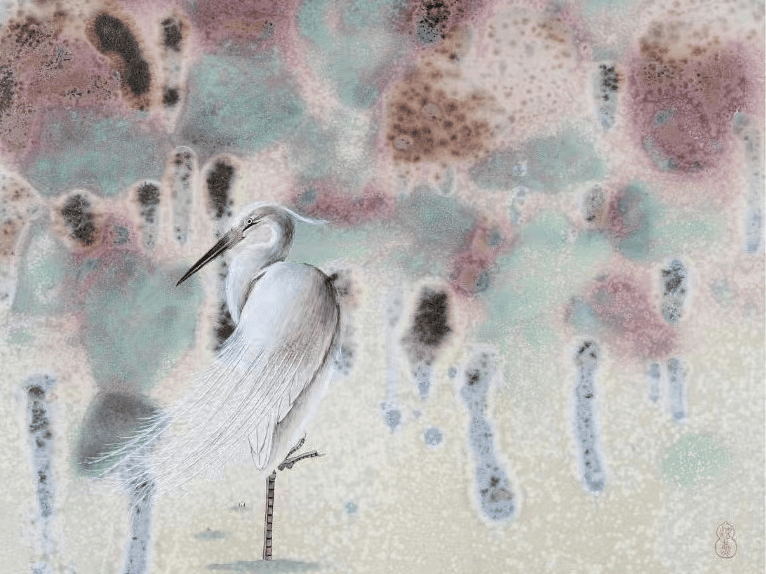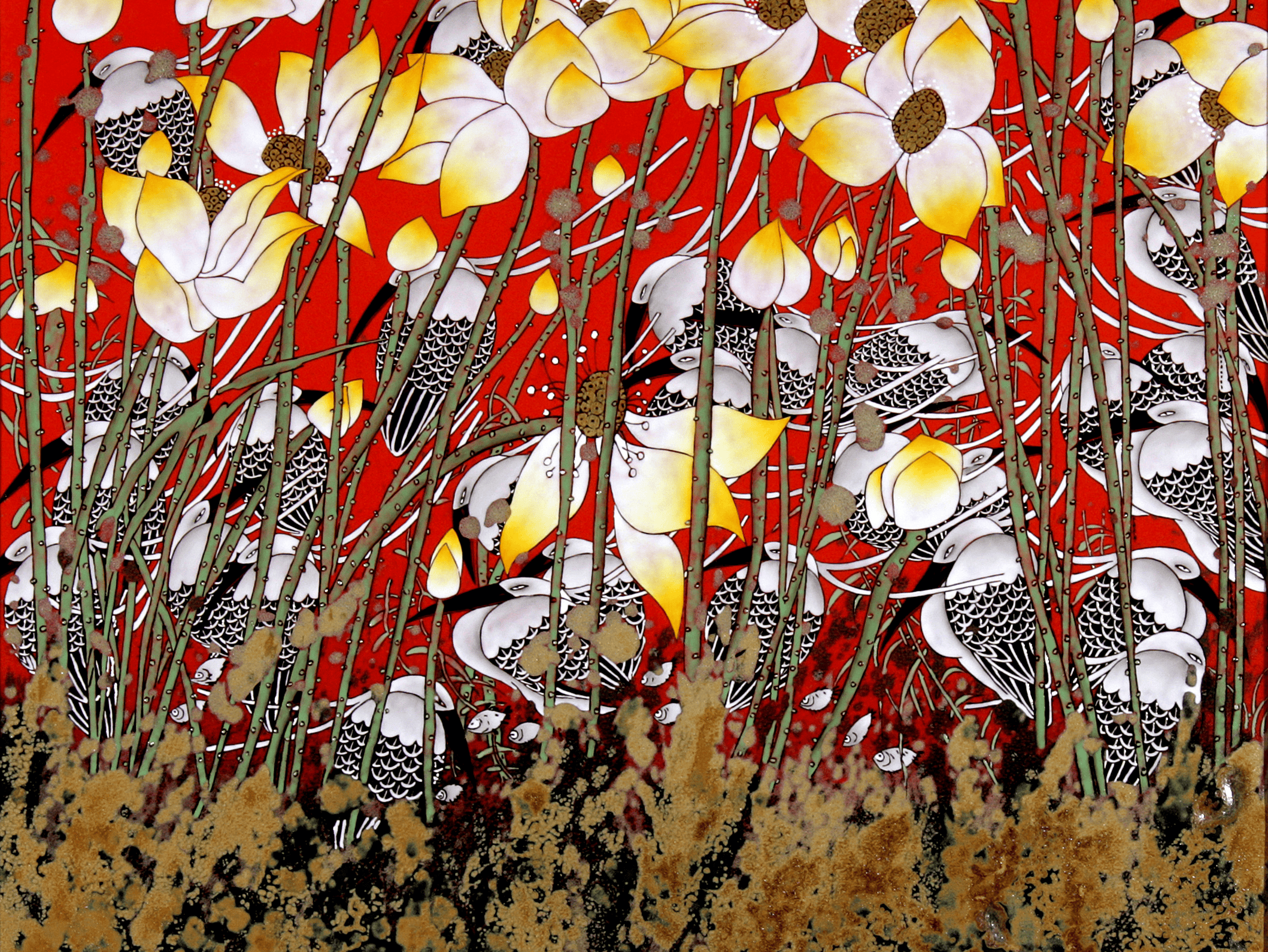
Stoneware form represents a striking art genre with a expansive past, covering back legions of centuries. From ancient urns to cutting-edge displays, the element offers peerless possibilities for creative rendering. Makers adopt various techniques – including modeling, wheel rotating, and elevated firing processes – to craft humble clay into evocative three-dimensional objects. The sturdiness of fired brick also contributes to its status as a truly lasting part of human history.
Delving into Stoneware Sign Compositions and Techniques
The realm of ceramic panel design offers a broad array of inventive possibilities. Makers often engage a variety of traditional and modern techniques to produce visually impressive pieces. These can span from simple, molded reliefs to complex, multi-layered structures. Standard methods include template molding, hand building, glazing – which can involve several approaches like initial glaze painting, decoration on top of the glaze, and scratched decoration where designs are uncovered by removing a layer of coating. Further exploration into finishing techniques such as the raku firing method and lustre decoration can yield truly rare and specialized clay tablets.
- Form Casting - Producing pieces using a mold
- Hand Building - Precisely forming the loam
- Enameling - Covering the exterior with a lustrous finish
- Etched illustration - Bringing out designs by taking away layers
Mesmerizing Experiences: Terracotta Art Displays
The evolving landscape of visual arts presents exciting cutting-edge avenues for audiences, and ceramic art installations are at the summit of this transition. These aren't just static pieces; they are fabricated to envelop the participant in a sensory atmosphere. Imagine walking through a forest of towering, decorated ceramic trees, or navigating a network of refined ceramic vessels. Many craftsmen are now incorporating audio, glow, and even perfume to enhance the feeling of their work. Reflect on the power of a room filled with hundreds of uniquely ceramic artifacts, each telling a account. Often, such installations study themes of the earth, heritage, and the individual.
- These particular installations blur the divisions between statue and structure.
- Interacting with a ceramic art installation can be a deeply meaningful journey.
- Artists are expanding the extents of what is attainable with clay.
Each Charm of the Stoneware Container: Application and Shape
The ceramic receptacle represents a wonderful amalgamation of practicality and expressive appeal. Historically, these canisters served a essential mission in holding plants, but their maturation has transformed them into highly valued works of craft. Each object showcases the know-how of the craftsman, demonstrating how structure can be as meaningful as purpose. The meticulous shaping, the one-of-a-kind glazes, and the overall presence of a expertly-built holder can elevate a space, offering both charm and a reserved reminder of the human hand.
Current Porcelain Model : Pushing Limits
Present-day terracotta model represents a fascinating shift from classic practices. Designers are dynamically advancing with cutting-edge methods, challenging the divisions between creation and alternative design spheres. From large installations to intricate miniature pieces, such works examine themes of persona while parallelly remodeling the fundamental of what terracotta can manifest. The result is a vigorous sphere of expressive display.
Brick Badge: Keeping Annals in Brick
Porcelain plaques offer a singular method for commemorating significant events and beings. Opposite of traditional metal or stone markers, these hardwearing pieces of mastery are formed from kilned Ceramic Cup Set clay, creating a actual link to the history. Regularly, they depict intricate carvings or meticulously crafted imagery, telling stories that might otherwise be passed over. One technique, linked to ancient tribes, provides a stunning and enduring way to commemorate our collective record.
- The mentioned can be located in common spaces.
- Numerous are now considered historical valuables.
Terracotta Art Exhibits: Redefining Places
Terracotta art installations are arising a significant medium for builders to transform public and private spaces. These immersive works frequently involve significant clay structures that captivate viewers, reshaping their view of the constructed environment. By combining diverse procedures like coil construction and comprehensive firing systems, ceramic artists produce truly extraordinary experiences, softening the boundaries between craft and space. The upshot is often a impactful modification that uplifts the aesthetic quality of the site and encourages communication.
Beginning Lathe to Beauty: The Trade of the Earthenware Holder
The journey of a earthenware holder from a simple lump of earth to a perfected work of art is a testament to human talent. Traditionally, the process launches with the potter’s wheel, where the adept artisan constructs the turning dirt into a cylindrical form. This preliminary section demands finesse and a perceptive eye, followed by a delicate drying period. Once initially cooked, the receptacle is ready for adornment, which may require designing intricate figures, carving detailed depictions, or implementing a assortment of varnishes. The closing firing process then evolves the piece into a durable and stunning container, a tangible example of the maker's dedication.
Sculpting with Ceramic Material: A Manual to Earthenware Expression
Delving the field of porcelain art begins with understanding the fundamentals of crafting with clay. This particular procedure calls for precisely composing and subtracting mass to build three-dimensional artifacts. Regardless of you're a apprentice or a accomplished designer, experimenting with different kinds of ceramic material – including terracotta – will aid you detect your personal technique. At last, terracotta carving is a fruitful process that joins expert talent with inventive demonstration.