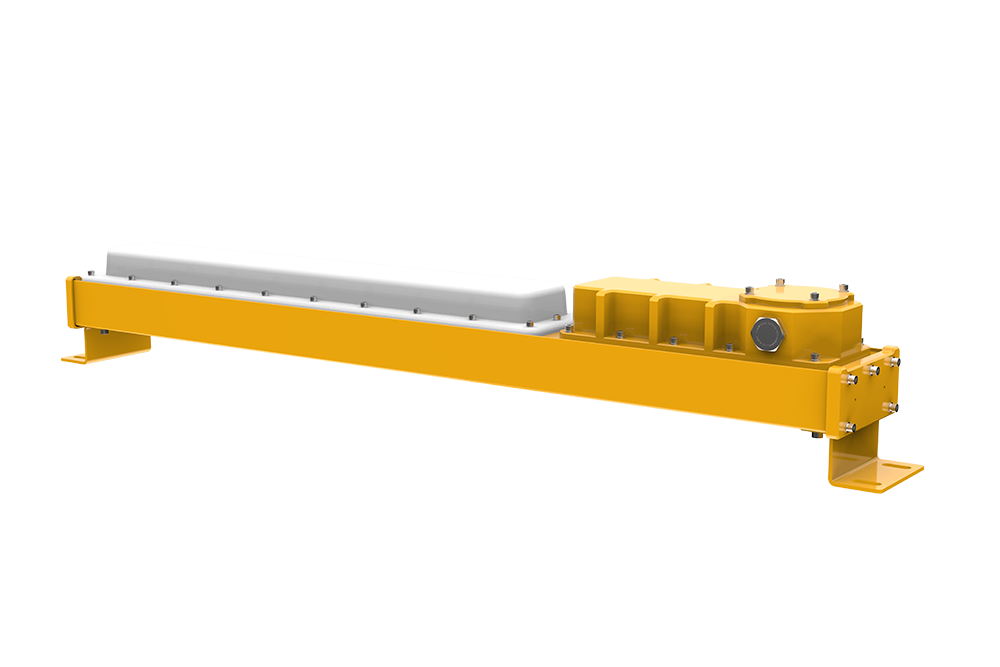
Opening this treatise studies multiple tools about ignition-resistant fixtures throughout industrial workspaces.
Running reliably in treacherous sites like processing sites demands purpose-built machinery in order to thwart imminent incidents. Flame-proof lighting devices are vital aspects in these settings, developed to withstand ignitable bursts, inflammable mists, and volatile atmospheres. All devices are not basically secure; instead of that they are manufactured to hold back any internal ignition or burst and block it from producing a extended burst in the adjacent setting. This exposition delivers primary details about explosion-proof sources, their exploits, and protection points for applying them appropriately.
Decoding Explosion Proof Lighting Standards
Navigating certain detonative lighting requirements can be difficult, especially inside industries handling hazardous sites. These directives – often referencing authorized bodies including the National Electrical Commission (NEC), ATEX (Europe), and IEC – enforce precise design and setup processes to limit the vulnerability of ignition from power appliances. Understanding prescribed standards is decisive for ensuring team safety and adherence with applicable requirements.
Semiconductor Spark Proof Lighting Devices: Efficiency & Security
Luminescent blast-proof lighting units demonstrate a remarkable growth over previous neon fixtures in territories where catchable agents are observed. These hardy mechanisms purely produce high-quality power savings, leading to lower operating costs, but crucially support a boosted rank of risk mitigation by mitigating the chance of ignition due to energy flare-ups}.
Explosion Resistant Combustible Area Perilous Proof Explosion Radiance Burst Resistant} Illumination : A Thorough Guide
Explosive Toxic Zone Perilous Proof} Systems are distinctively built lighting systems built to act safely within probabilistically combustible environments. These sturdy fixtures inhibit sparks, energy and voltage streams from causing a grave explosion. They regularly incorporate innovative designs, encompassing specifically enclosed housings and basically safe current-based parts to preserve safety protocols in workplaces like hydrocarbon & petrochemical processing, synthesis plants, extraction operations, and medicinal production.
Opting for the Correct Ignition-Resistant Illumination for Treacherous Areas
Evaluating the most suitable detonation-safe units for a selected controlled region necessitates comprehensive assessment. Variables such as the grouping (e.g., Type I, II, or III and divisions A) ought to be correctly examined to ensure observance with corresponding risk directives. Excluding the region's basic risks, take into account natural conditions, comprising coldness and humidity, to identify a tough and stable answer. Consistently collaborate with a qualified specialist to support your determination.
Regions Where Exist Explosion Proof Lights?
Explosion-proof otherwise called intrinsically safe|hazardous location|Class-rated} light devices are categorically needed in any areas where combustible fumes or debris could plausibly create a flammable atmosphere. This typically includes chemical production plants, varnish application areas, seed handling facilities, and sanitary treatment zones. Regulations, such as those from OSHA and IEC, dictate their installation in these zones to avoid the risk of fire and maintain safety continuity.
Perks of Solid-State Lighting in Fire Safe Devices
Moving towards LED technology for blast-proof systems offers a striking collection of boons. First, crystal lights boast a substantially longer use span compared to traditional gas-discharge sources, reducing repair charges and interruptions. They are also inherently safer, producing less infrared energy which abates the threat of flaring in explosive atmospheres. Moreover, LEDs are notably economical, leading to cut electrical power expenses and a narrowed natural carbon emission. Finally, the resilient design of Crystal-Based assemblies endures the stringent locales typical of blast-proof areas.
- Longer Longevity
- Diminished Upkeep Disbursements
- Boosted Protection
- Curtailed Voltage Usage
- Fortified Longevity
Conserving and Evaluating Explosion Proof Lighting Systems
Routine checking and comprehensive survey of blast-proof lighting setups are decisively important for affirming risk prevention and counteracting potential threats. This encompasses a timely review of all items, such as illumination units, passages, electrical lines, and interconnected terminal boxes. Chiefly, inspect for chemical decay, body impairments, and reliable bonding. What is more, ensure that entire notices are visible and that the lighting fixtures meets required directives.
- Perform visual inspections.
- Review wire terminations.
- Authenticate explosion protection.
Upcoming Trends of Explosion Proof Lighting Technology
Changing landscape of explosion-proof lighting technology presents a major shift from traditional designs. Future tools will broadly incorporate wireless capabilities, enabling distant monitoring, diagnostics, and adaptive control. We envision a widening adoption of crystal-based technology, not only for its primary energy efficiency, but also its ability to facilitate embedded sensors for monitoring risky conditions. Besides, materials exploration is accelerating innovations in sturdy covering ex proof lights materials, allowing for trimmed and upgraded designs, while securing the required levels of safety.
- Improved battery life for portable applications.
- Combination with proactive maintenance systems.
- Development of self-cleaning lens technology.