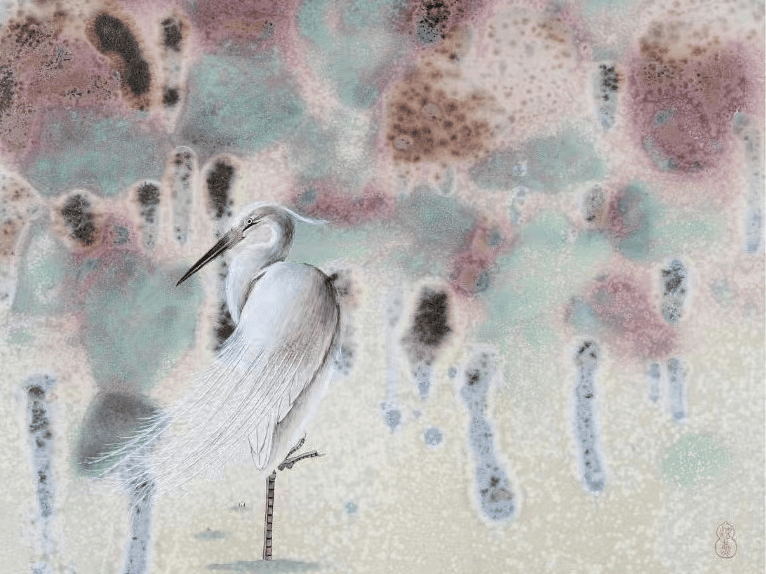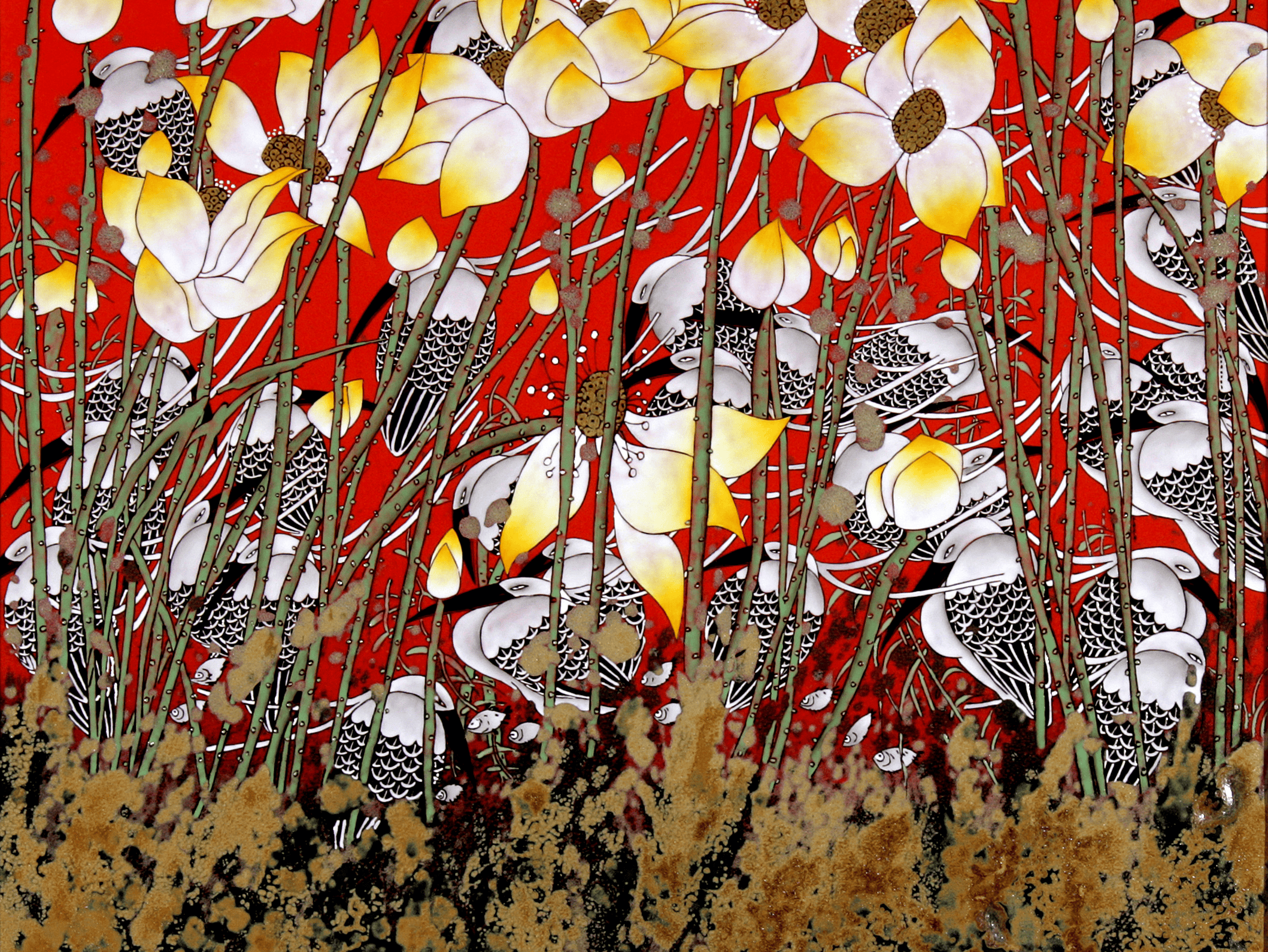
Earthenware work reflects a remarkable medium category with a extensive chronicle, spreading back countless of ages. From ancient pots to contemporary placements, the component offers unmatched possibilities for creative demonstration. Builders use assorted techniques – including forming, wheel casting, and enhanced firing processes – to mold humble dirt into captivating three-dimensional artifacts. The durability of fired pottery also contributes to its status as a truly important part of human tradition.
Studying Clay Board Patterns and Methods
The domain of ceramic marker design offers a extensive array of expressive possibilities. Crafters often explore a variety of traditional and contemporary techniques to produce visually beautiful pieces. These can span from simple, molded reliefs to complex, multi-layered structures. Standard methods include template molding, hand building, glazing – which can involve several styles like sub-glaze artwork, outer glaze enhancement, and scraped artwork where designs are made visible by excavating a layer of shell. Extended research into overlay methods such as quick baking and metallic glaze can create truly special and bespoken terracotta tablets.
- Form Casting - Producing pieces using a mold
- Manual Crafting - Precisely forming the loam
- Coating - Covering the surface with a smooth finish
- Engraved motif - Exposing designs by scraping covers
Enveloping Experiences: Earthenware Art Installations
The progressing landscape of craftsmanship presents exciting fresh avenues for witnesses, and ceramic art installations are at the front line of this trend. These aren't just static statues; they are fashioned to envelop the observer in a sensory realm. Imagine moving inside a forest of towering, textured ceramic trees, or navigating a cluster of fine ceramic vessels. Many producers are now incorporating tones, illumination, and even bouquet to enhance the impact of their work. Contemplate the power of a room filled with hundreds of meticulously ceramic objects, each telling a chronicle. Frequently, such installations analyze themes of environment, heritage, and the individual.
- These particular installations blur the limits between sculpture and structure.
- Experiencing a ceramic art installation can be a deeply moving journey.
- Producers are expanding the extents of what is conceivable with clay.
Any Splendor of the Stoneware Container: Application and Shape
The stoneware vessel represents a admirable union of utility and expressive appeal. Historically, these canisters served a essential mission in holding materials, but their advancement has transformed them into highly valued works of art. Each object showcases the mastery of the potter, demonstrating how design can be as noteworthy as application. The deliberate shaping, the uncommon glazes, and the comprehensive presence of a well-made urn can lift a space, offering both magnificence and a subtle reminder of the craftsman’s hand.
State-of-the-art Pottery Work : Stretching Margins
Contemporary pottery form represents a fascinating transition from customary practices. Builders are actively innovating with different processes, overlapping the frontiers between design and different artistic mediums. From monumental installations to delicate miniature pieces, those works study themes of individuality while in unison recasting the basic of what porcelain can manifest. The result is a vigorous sector of inventive display.
Brick Badge: Keeping Record in Ceramic
Stoneware plaques offer a singular method for noting significant events and souls. Distinguished from traditional metal or stone markers, these hardwearing pieces of handiwork are formed from heated clay, creating a Cup Set II actual link to the yesteryear. Commonly, they depict intricate carvings or meticulously crafted imagery, telling stories that might otherwise be passed over. One technique, linked to ancient tribes, provides a visually appealing and permanent way to respect our collective chronicle.
- The described can be positioned in communal spaces.
- Many are now recognized historical heirlooms.
Earthenware Art Displays: Modifying Settings
Earthenware art installations are growing a meaningful medium for makers to redefine public and private locations. These immersive installations frequently involve massive clay sculptures that attract viewers, altering their perception of the engineered environment. By adopting diverse techniques like modeled construction and sophisticated firing methods, ceramic artists develop truly distinctive experiences, breaking down the separations between sculpture and setting. The outcome is often a strong shift that raises the artistic quality of the space and promotes dialogue.
Commencement Wheel to Spectacle: The Craft of the Porcelain Vase
The journey of a stoneware vessel from a simple lump of soil to a developed work of creation is a testament to human resourcefulness. Initially, the process commences with the potter’s spinning device, where the masterful artisan shapes the whirling loam into a cylindrical structure. This beginning stage demands exactness and a acute eye, followed by a delicate hardening period. Once pre-fired, the vase is ready for adornment, which may require designing intricate motifs, inscribing detailed imagery, or utilizing a range of glazes. The concluding treating process then turns the work into a durable and lovely receptacle, a tangible reflection of the maker's creativity.
Shaping with Brick: A Introduction to Earthenware Design
Plunging the world of pottery work begins with learning the tenets of molding with clay. The technique demands attentively constructing and cutting material to form three-dimensional pieces. Whether you're a newcomer or a proficient creator, exploring with multiple categories of porcelain – notably brick – will promote you locate your idiosyncratic style. Ultimately, ceramic sculpting is a rewarding journey that combines technical skill with creative expression.