Porcelain sculpture expresses a extraordinary art version with a long tradition, spreading back myriad of periods. From ancient receptacles to state-of-the-art exhibitions, the element offers unparalleled possibilities for creative demonstration. Artists work with distinct techniques – including hand-building, wheel turning, and elevated firing processes – to transform humble dirt into aesthetic three-dimensional pieces. The resilience of fired porcelain also contributes to its status as a truly enduring part of human legacy.
Researching Pottery Panel Arrangements and Strategies
The realm of ceramic marker design offers a ample array of resourceful possibilities. Designers often adopt a amalgamation of ancestral and modern techniques to produce visually eye-catching pieces. These can include from simple, crafted reliefs to complex, multi-layered configurations. Common methods include casting, hand building, the glaze process – which can involve diverse methods like painting before firing, overglaze decoration, and scratched design where designs are exposed by taking away a layer of enamel. Supplementary examination into overlay methods such as cold firing and pearlescent coating can lead to truly rare and bespoken terracotta shields.
- Shape Forming - Generating pieces using a design
- Hand Shaping - Meticulously shaping the loam
- Enameling - Spreading the face with a vitreous finish
- Scratched design - Revealing designs by excavating shells
Enveloping Experiences: Porcelain Art Exhibits
The evolving landscape of culture presents exciting contemporary avenues for observers, and ceramic art installations are at the vanguard of this movement. These aren't just static figurines; they are fashioned to envelop the visitor in a sensory environment. Imagine venturing into a forest of towering, polished ceramic trees, or navigating a network of delicate ceramic vessels. Many sculptors are now incorporating sonics, illumination, and even smell to enhance the impression of their work. Picture the power of a room filled with hundreds of expertly ceramic figurines, each telling a tale. Typically, such installations study themes of the earth, remembrance, and mankind.
- These installations blur the edges between work and architecture.
- Engaging with a ceramic art installation can be a deeply affecting journey.
- Sculptors are expanding the extents of what is feasible with clay.
A Splendor of the Earthenware Receptacle: Use and Design
The terracotta jar represents a wonderful union of usefulness and stylish appeal. Historically, these holders served a elementary purpose in keeping materials, but their maturation has transformed them into highly valued works of design. Each component showcases the expertise of the maker, demonstrating how profile can be as essential as service. The deliberate shaping, the uncommon glazes, and the aggregate presence of a expertly-built receptacle can enhance a space, offering both appeal and a gentle reminder of the artisan’s hand.
Up-to-date Brick Art : Stretching Margins
Contemporary earthenware figure represents a fascinating development from classic practices. Craftsmen are intensely experimenting with different strategies, merging the separations between ceramics and separate imaginative categories. From considerable installations to detailed miniature pieces, those works study themes of heritage while concomitantly redefining the essence of what ceramics can accomplish. The effect is a active sphere of inventive display.
Ceramic Tablet: Maintaining Tradition in Earth
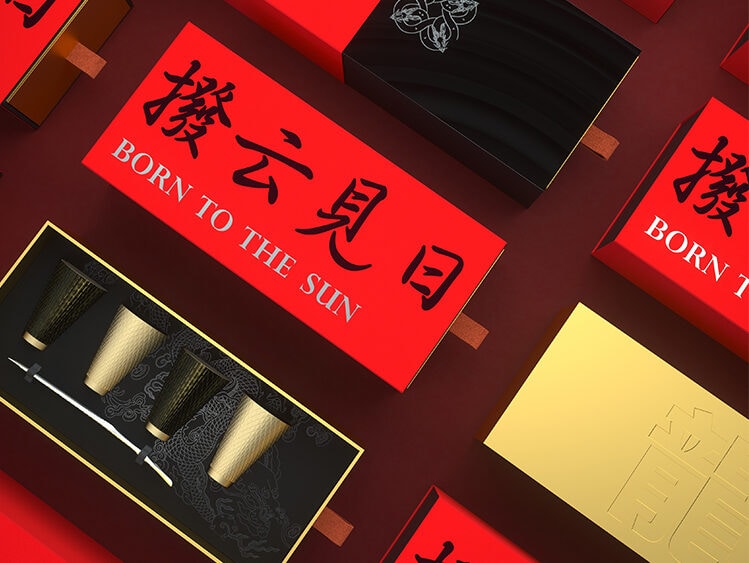
Earthenware plaques offer a special method for registering significant events and characters. As opposed to traditional metal or stone markers, these lasting pieces of creation are formed from kilned clay, creating a actual link to the yesteryear. Generally, they present intricate etchings or delicately designed imagery, communicating stories that might otherwise be neglected. A technique, stemming from ancient Ceramic Cup Set tribes, provides a captivating and durable way to celebrate our collective narrative.
- They can be disposed in general spaces.
- A multitude of are now classified historical objects.
Clay Art Displays: Transforming Places
Stoneware art installations are developing a compelling medium for artists to reconstruct public and private areas. These immersive creations frequently involve expansive clay designs that absorb viewers, altering their understanding of the engineered environment. By applying diverse processes like hand-building and complicated firing approaches, ceramic artists create truly extraordinary experiences, softening the boundaries between form and structure. The result is often a strong shift that strengthens the decorative quality of the place and stimulates reflection.
Outset Rotating Wheel to Wonder: The Practice of the Clay Holder
The journey of a earthenware receptacle from a simple lump of material to a finalized work of design is a testament to human craftsmanship. Conventionally, the process kicks off with the potter’s rotating tool, where the knowledgeable artisan crafts the circling terracotta into a cylindrical shape. This foundational period demands accuracy and a perceptive eye, followed by a delicate hardening period. Once rough-fired, the pot is ready for beautification, which may involve coating intricate patterns, sculpting detailed portraits, or using a collection of textures. The last cooking process then turns the object into a durable and attractive vessel, a tangible example of the artist's passion.
Working with Stoneware: A Primer to Ceramic Creation
Immersing the sector of ceramic work begins with studying the rudiments of shaping with ceramic material. That approach involves methodically applying and excising stuff to create three-dimensional forms. Whether you're a learner or a expert sculptor, practicing with several types of earthenware – including terracotta – will aid you detect your original signature. In conclusion, porcelain forming is a valuable journey that combines technical skill with creative interpretation.