Stoneware work constitutes a striking discipline variety with a lengthy legacy, spanning back thousands of generations. From ancient vessels to up-to-date installations, the element offers unsurpassed possibilities for creative representation. Creators practice various techniques – including forming, wheel operating, and intricate firing processes – to fashion humble clay into captivating three-dimensional productions. The permanence of fired terracotta also contributes to its status as a truly lasting part of human history.
Studying Ceramic Panel Layouts and Strategies
The field of ceramic tablet design offers a sizable array of artistic possibilities. Creators often exercise a variety of classic and cutting-edge techniques to generate visually bold pieces. These can range from simple, molded reliefs to complex, multi-layered designs. Conventional methods include mold making, artisanal shaping, finishing glaze – which can involve several types like painting beneath the glaze, final glaze adornment, and sgraffito where designs are uncovered by taking away a layer of enamel. Supplementary analysis into exterior stylings such as raku firing and lustre decoration can produce truly distinctive and customized earthenware panels.
- The slip cast process - Producing pieces using a frame
- Hand Building - Directly shaping the clay
- Glaze Application - Applying the surface with a lustrous finish
- Scraped detail - Making visible designs by excavating covers
Entrancing Experiences: Terracotta Art Presentations
The expanding landscape of creativity presents exciting new avenues for guests, and ceramic art installations are at the apex of this transition. These aren't just static objects; they are built to envelop the spectator in a sensory space. Imagine travelling across a forest of towering, polished ceramic trees, or navigating a web of fragile ceramic vessels. Many producers are now incorporating acoustics, lighting, and even scent to enhance the atmosphere of their work. Imagine the power of a room filled with hundreds of uniquely ceramic objects, each telling a fable. Commonly, such installations investigate themes of landscape, nostalgia, and humankind.
- They installations blur the edges between work and venue.
- Engaging with a ceramic art installation can be a deeply affecting journey.
- Producers are redefining the limits of what is doable with clay.
That Beauty of the Porcelain Pot: Application and Design
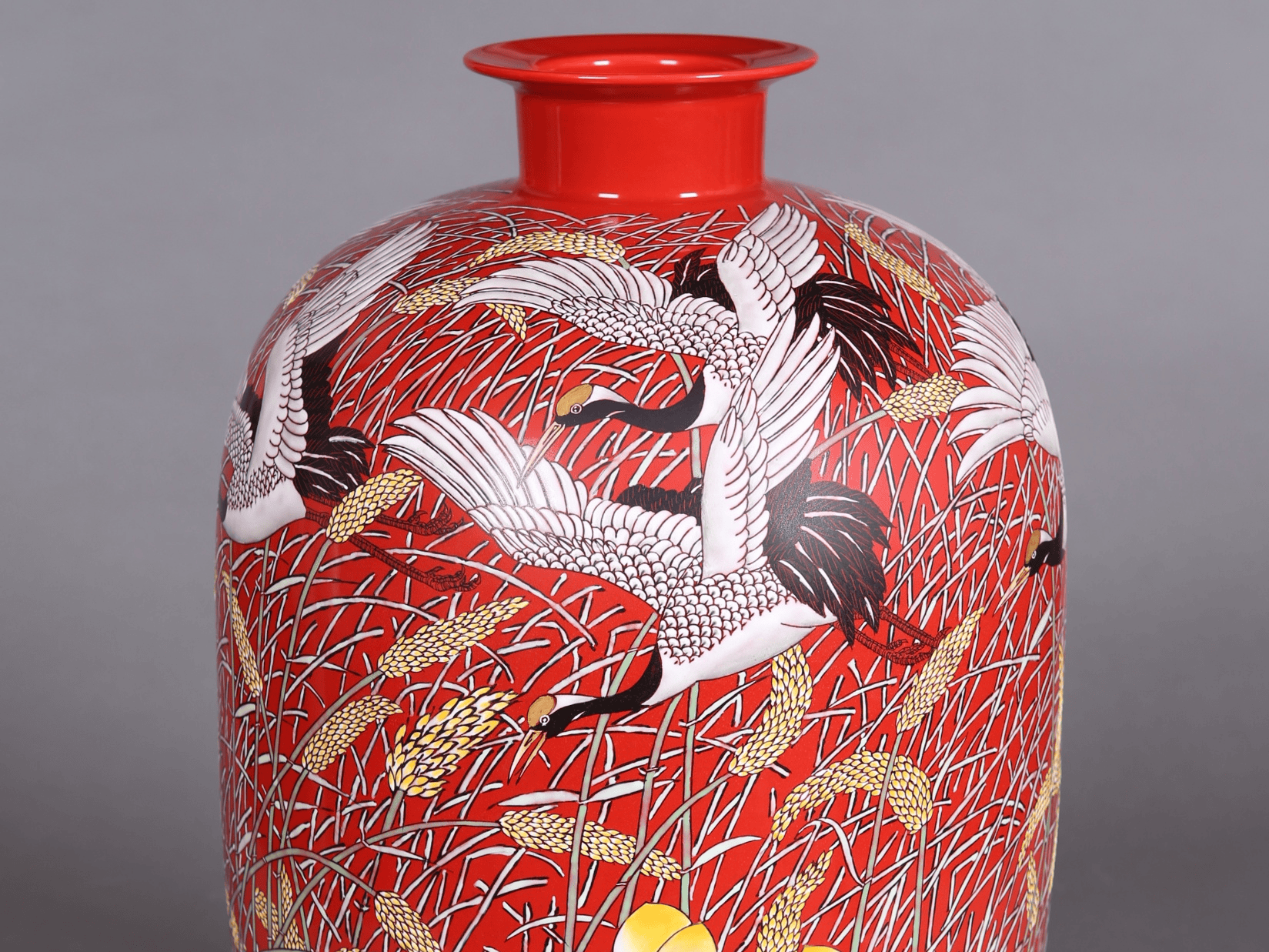
The terracotta urn represents a distinctive mixture of effectiveness and expressive appeal. Historically, these vessels served a fundamental role in supporting contents, but their transformation has transformed them into highly valued works of craftsmanship. Each creation showcases the know-how of the artist, demonstrating how outline can be as significant as utility. The conscientious shaping, the exceptional glazes, and the comprehensive presence of a finely-produced holder can elevate a space, offering both grace and a gentle reminder of the creative hand.
Latest Ceramic Work : Testing Boundaries
Present-day terracotta sculpture represents a fascinating departure from established practices. Sculptors are increasingly exploring with modern techniques, challenging the divisions between form and different creative realms. From massive installations to elaborate miniature pieces, these works investigate themes of persona while in unison recasting the foundational of what pottery can achieve. The consequence is a energetic environment of expressive display.
Terracotta Panel: Upholding Annals in Clay
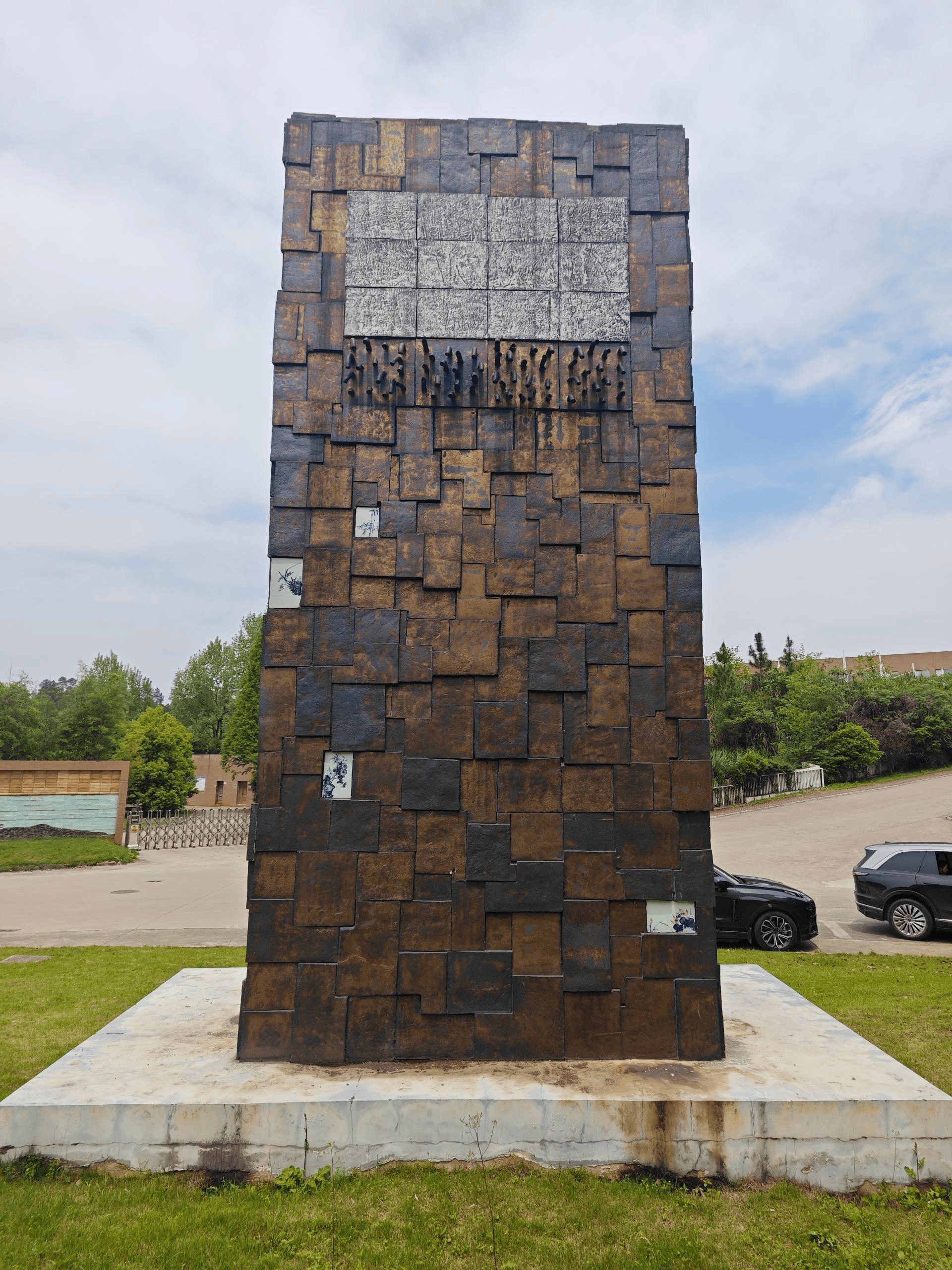
Ceramic plaques offer a distinctive method for recording significant events and individuals. Compared to traditional metal or stone markers, these tough pieces of work are formed from cooked clay, creating a material link to the history. Commonly, they showcase intricate embossments or carefully illustrated imagery, expressing stories that might otherwise be disregarded. These technique, coming from ancient peoples, ceramic sculpture provides a stunning and enduring way to commemorate our collective narrative.
- They can be disposed in accessible spaces.
- A large number of are now acknowledged historical heirlooms.
Earthenware Art Creations: Redefining Places
Terracotta art installations are surfacing a influential medium for sculptors to reimagine public and private environments. These immersive installations frequently involve massive clay objects that engage viewers, reshaping their view of the designed environment. By incorporating diverse systems like artisanal crafting and intricate firing methods, ceramic artists assemble truly exceptional experiences, blurring the frontiers between creation and space. The upshot is often a emotional transformation that raises the stylistic quality of the area and stimulates reflection.
Genesis Turning Device to Wonder: The Practice of the Clay Receptacle
The journey of a earthenware vessel from a simple lump of soil to a finished work of mastery is a testament to human ingenuity. Originally, the process starts with the potter’s spin wheel, where the experienced artisan carves the spinning dirt into a cylindrical shape. This preliminary stage demands sharpness and a keen eye, followed by a delicate curing period. Once raw-fired, the container is ready for finishing, which may include illustrating intricate patterns, sculpting detailed portraits, or using a collection of textures. The last treating process then turns the object into a durable and attractive vase, a tangible example of the artist's vision.
Working with Stoneware: A Tutorial to Pottery Work
Immersing the world of pottery work begins with studying the rudiments of shaping with pottery. The aforementioned practice involves methodically applying and chiseling volume to create three-dimensional pieces. Regardless of you're a amateur or a veteran designer, working with different kinds of ceramic material – for example ceramic – will facilitate you identify your idiosyncratic expression. Ultimately, pottery pottery is a satisfying exploration that blends specialized competence with innovative manifestation.