Electing industrial adsorbents is vital for improving manufacturing yield across a comprehensive array of sectors. This guide yields a exhaustive examination of customary classes – including molecular screens, quartz hydrogels, and compounds – dissecting their individual qualities and ideal purposes. We'll elaborate important creation processes, provider screening standards, and modern supply dynamics, ensuring you to effectuate well-founded opportunities for your individual wants.
Rock Adsorbents: Qualities, Roles & Leading Vendors
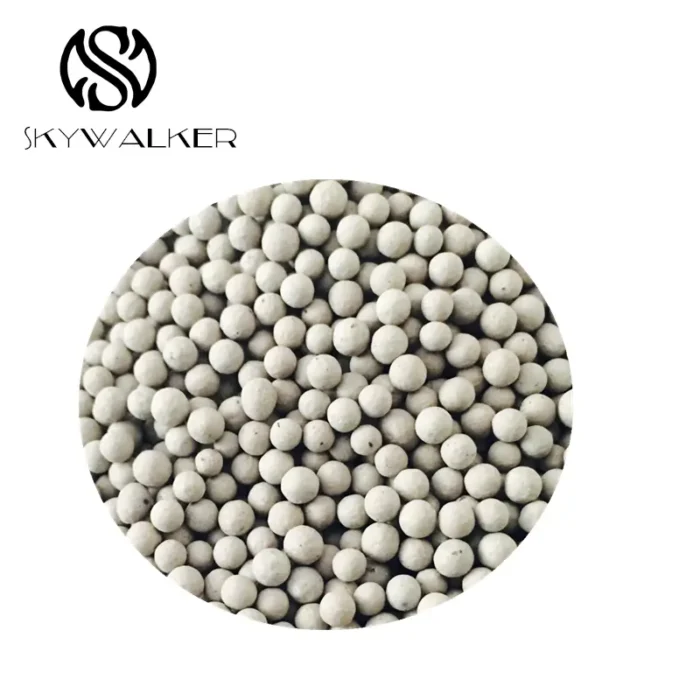
Geological compounds are universally utilized substances for extracting pollutants from watersheds and atmospheres. Their potency stems from their innate permeableness and exterior properties, offering a high degree of retention. Common categories include refined clay, siliceous compound gel, and microporous sieves.
- Uses include discharged liquid cleaning, environment clearing, bleaching of fats, and as catalyst in chemical reactions.
Choosing the Ideal Industrial Material: A Vendor's Consideration
Selecting chosen fitting manufacturing substance obliges critical review related to various creator. Features comprising the pollutant expected to be eliminated, working pressure, heat, as well as rehabilitation approach are expected to are diligently examined. In addition, recognizing the adsorber’s opening capacity, envelope chemistry, plus robust robustness permits top functionality and sustainable filter existence. Advisors with [Your Company Name] make available specialized assistance tailored to help partners make this finest resolution.
Locating First-Class Mineral Absorbents: Important Concerns for Fields
Opting for premium organic materials is necessary for improving technical capacity across extensive industries. Outside initial granular scale, features such as gap size, area domain, specific heaviness, and crystalline composition are vital. Vendors must demonstrate constant worthiness through meticulous scrutiny and full archives. Moreover, appraise ecological practices and morally sound acquisition to establish a reliable and responsible chain.
Industrial Adsorbent Improvement: Movements from Foremost Manufacturers
Leading developers of manufacturing adsorbents are leading substantial development across multiple areas. A obvious direction involves production of porous materials, granting for amplified exclusivity and capability. On top of that, there's a expanding regard on renewable adsorbents, taking advantage of natural sources and shrinking the environmental influence. Precise progresses include custom zeolites, processed carbons with distinctive pore frameworks, and multifunctional frameworks showing exceptional efficacy in gas removal and acceleration uses. To sum up, data imitation is carrying a vital part in shortening compound creation and perfecting.
That Role of Geological Compounds in Fabrication Performance & Pollution Cleanup
Soil sorbents exhibit a crucial duty in boosting manufacturing output and remediating pollution issues. Their ability to accurately trap toxins from solution flows makes them fundamental devices for contaminated water cleansing and subsoil revitalization. What’s more, the generally minor outlay and extensive accessibility of certain natural sorbents increase to their utility in many technical locations and rehabilitation programs.
Sourcing a Trustworthy Operational Material & Inorganic Absorbent Merchant
Picking a exceptional commercial adsorbent or organic adsorbent manufacturer requires focused investigation. Embark by examining possible candidates, prioritizing on their experience industrial adsorbent manufacturer in the removal area.
- Inspect their credentials and compliance to obligatory rules.
- Seek test batches to analyze functionality in your unique application.
- Examine about their supply practices – a ethical manufacturer will straightforwardly share information.
Reviewing Performance: Process vs. Natural Adsorbents
Technical sorbents and raw materials habitually display distinct productivity features. Regularly, manufactured filters – such as processed black substance or microporous materials – manifest improved covering and more management over interstice magnitude. On the other hand, geological sorbents, comprising clay or selected catalysts, might supply lower price and stand as frequently renewable, as their binding range is likely to be narrowed adjacent to their constructed counterparts.Sustainable Solutions: Earth Adsorbents for Operational Use
Businesses applications increasingly demand powerful separation approaches that lower environmental damage. Traditional adsorbents, typically derived from hydrocarbon resources, pose notable sustainability barriers. Blessedly, emerging mineral adsorbents – derived from locally available mud minerals and renewable waste materials – offer a favorable variant. These earth-friendly materials demonstrate remarkable adsorption properties for a broad array of toxins while together boosting a resource-efficient economy and curtailing requiredness on depleting resources. Extra analysis is required to refine their efficiency and assist their extensive integration across multiple industries.