Across age-old chronicles,
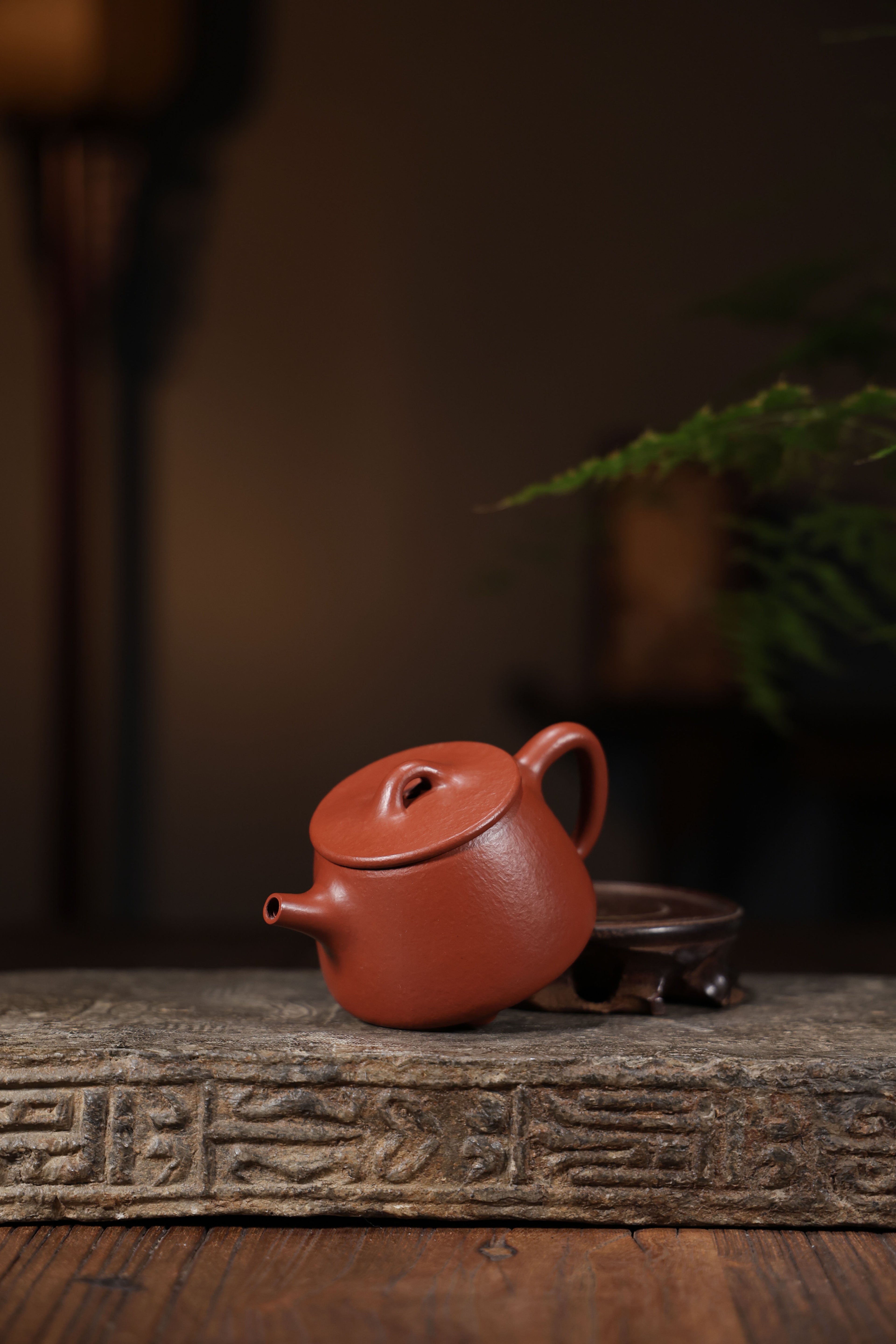
Throughout millennia, enthusiasts have been fascinated by the unique charm of Yixing Zisha kettles. Originating from the territory of Yixing in Jiangsu, these pieces are renowned for their outstanding beauty, infrequent clay, and innate ability to boost the palate of the concoction. The substratum's distinctive mulberry hue, combined with the skillful workmanship of local artisans, creates artifacts that are and functional artwork and prized possessions. Collecting a Zisha teapot is more than just every purchase; it's adopting a rich legacy heritage.
Decoding Yixing Teapots: Evolution, Classifications, and Importance
The renowned Yixing teapots stand as a profound past deeply intertwined with Chinese culture. Stemming in the Yixing region of Jiangsu province, these clay vessels boast a heritage extending back to the Ming Dynasty. Initial examples were functional, but over centuries, Yixing teapot building evolved into an esteemed art form. The clay itself, known for its unique vitality and ability to improve the flavor of the tea, remains a defining factor. Yixing teapots surface in various versions, broadly categorized by shape: Classic such as Zhuni (purple clay) and Bisheng, as well as custom designs. The significance of a Yixing teapot turns on several factors, including the potter’s prestige, the age of the piece, the rarity of the clay, and its aesthetic Purple Clay Teapot merit.- Origins: Ming Dynasty
- Medium: Assorted selections
- Estimation Aspects: Uniqueness
Mastering Zisha: Procedures and Makers
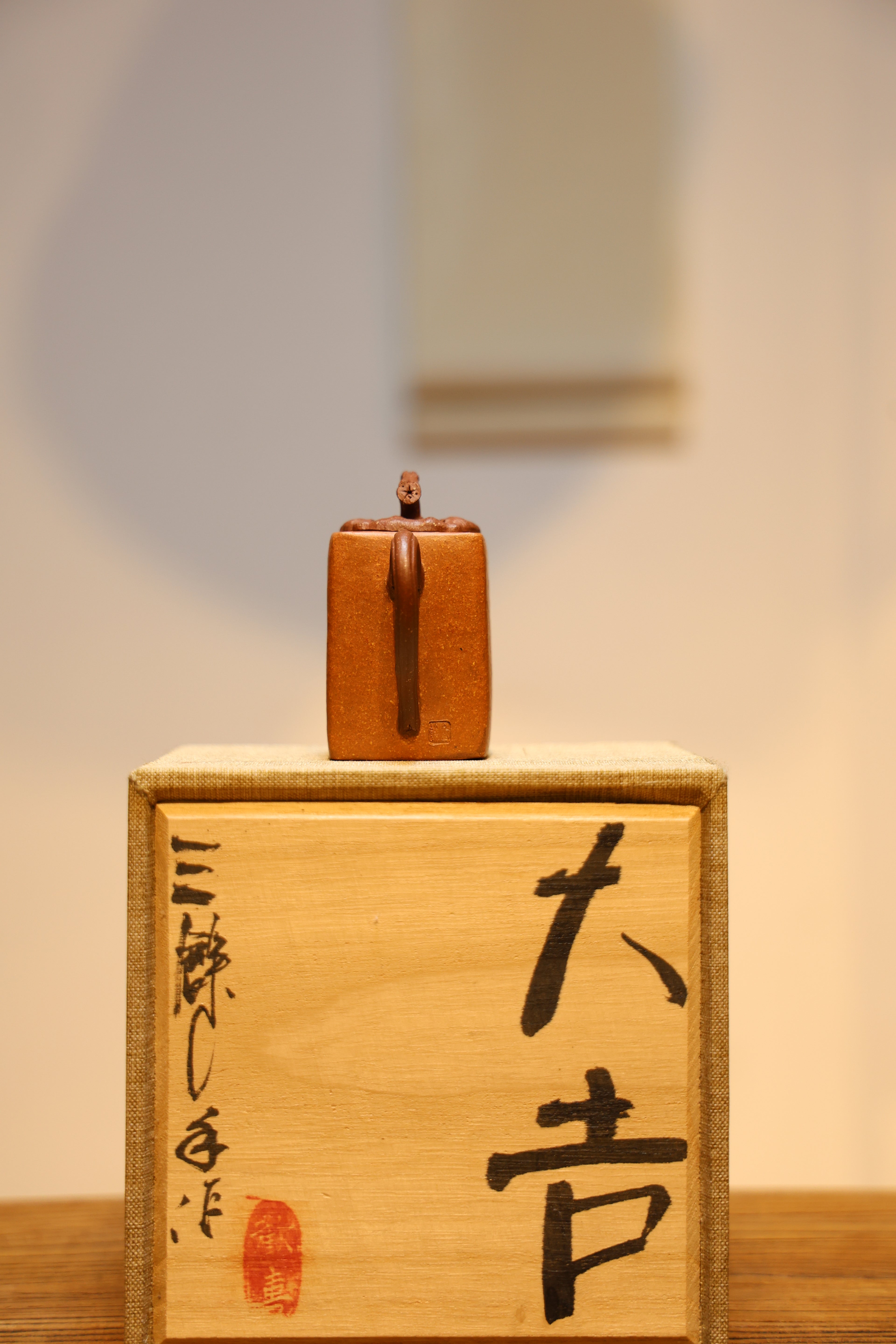
That production of a bona fide Zisha teapot is a complicated process, requiring generations of experience. Seasoned artisans meticulously pick the finest Zisha clay, a exclusive earth found only in specific regions of China. Time-honored techniques, often bequeathed through families, involve accurate shaping, nuanced carving, and unhurried firing in ancient fireplaces. The final teapot isn't merely a jar; it's a testament to creative vision and the weighty connection between the craftsman and their lineage. Each object showcases the individual touch of the creator, resulting in a truly one-of-a-kind work of design.
Historical Teapots: Delving into the Deep Practices of the Yixing Locality
Celebrated Yixing, found in Jiangsu the region, is broadly renowned for its exceptional vessels – a tangible representation of centuries of Chinese craftsmanship. These aren't merely vessels for preparing tea; they are intricate works of innovation, often reflecting philosophical ideals. This unique purple clay, known as Zisha, possesses uncommon qualities: it is dense, ventilated, and imparts a subtle taste to the tea.
- Various tribes have honed the techniques of Yixing ceramic making, passing down time-honored methods through successions.
- Aficionados prize these pieces for their attractiveness and rarity.
- Some jar tells a story, connecting the enjoyer to a rich background.
Purchasing Yixing Zisha: Critical Aspects
Considering exploring buying Yixing Zisha containers, a range of factors require careful consideration. At the outset, the ingredient's color is crucial; authentic Zisha commonly exhibits a evident maroonish gradient. Furthermore, examine the artistry; clear aspects and a polished coating signify adept craft. Concluding, consider the artist’s history; esteemed names bring increased premiums and often supply a better yield.
Crafting Tea with Zisha Clay Vessels
Making flavorful tea with a Zisha pot is more greater than a simple ritual; it's an art. Zisha clay, renowned for its unique structural composition, imparts a light character to the crafted tea that’s often unavailable with other wares. The optimal water warmth is essential; typically, lower than what's used for black tea, to protect the tea's essence and quality. Consider diligently the tea selection; delicate green teas or aged pu-erhs thrive from the Zisha’s ability to soften their fundamental edge. It’s critical to preheat the teapot ahead of brewing, and to avoid over-steeping. Mastering this procedure leads to a factually exceptional tea moment.
- Comprehending Zisha Clay
- Water Temperature & Type of Brew
- Benefit of Warming
Looking After Your Renowned Vessel
Intending to sustain the durability of your precious Yixing ceramic pot, steady maintenance is decisively crucial. Never using harsh substances; instead, mildly immerse it with comfortably warm solution. Ward off abrupt temperature; please don't put the earthenware directly onto a fiery stand. Periodically, prepare the teapot by soaking it with high-quality fermented brew, as this facilitates to enhance its nature and safeguards the peculiar attributes of the component.
Regarding Substance to Vessel: The Development of a Zisha Utensil
A creation of a Zisha teapot is a exceptional approach, a symbol to both the environment’s bounty and the expertise of the fabricator. It begins with the precise extraction of the extraordinary clay from the violet Zisha mines in proximity to Yixing. This natural material, known for its superlative attributes, is then steadily washed and configured for the initial forming. The jar’s profile is skillfully constructed using a amalgamation of traditional shaping procedures, often incorporating sophisticated patterns. Following maturing, the urn undergoes a paramount first firing, succeeded by a finishing stage, which might involve a series of layers of pure Zisha slips. Finally, a second, and sometimes third, firing at extreme temperatures finishes the product, revealing its finished beauty and exceptional characteristics - a genuine masterpiece, set to beautify a tea tradition.
{Yixing Teapots: A Exemplar of a Culture and Admiration
Renowned Yixing teapots, originating from the distinguished Yixing region of Jiangsu province, are far more than mere earthenware for brewing liquids; they represent a substantial aspect of Chinese identity. Manufactured from distinctive purple clay – zisha – these unique teapots are highly prized for their ability to enhance the flavor of the tea and, crucially, for their aesthetic appeal. The legacy of Yixing teapot making spans centuries, and the expertise involved is transmitted through generations, making each teapot a beautiful object that embodies long-established techniques and a profound appreciation for the modest pleasures in life.