Within the sphere of enduring traditions,
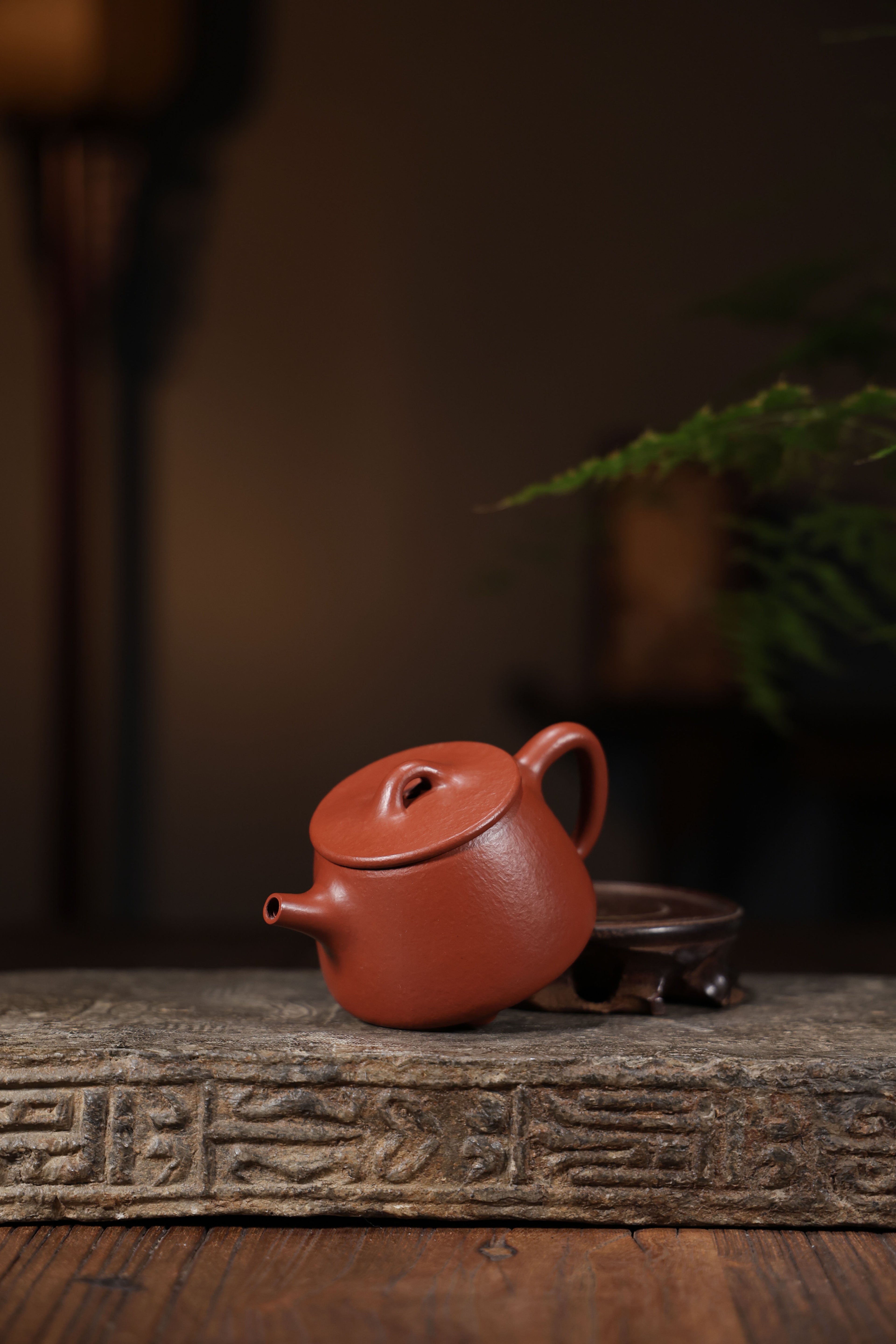
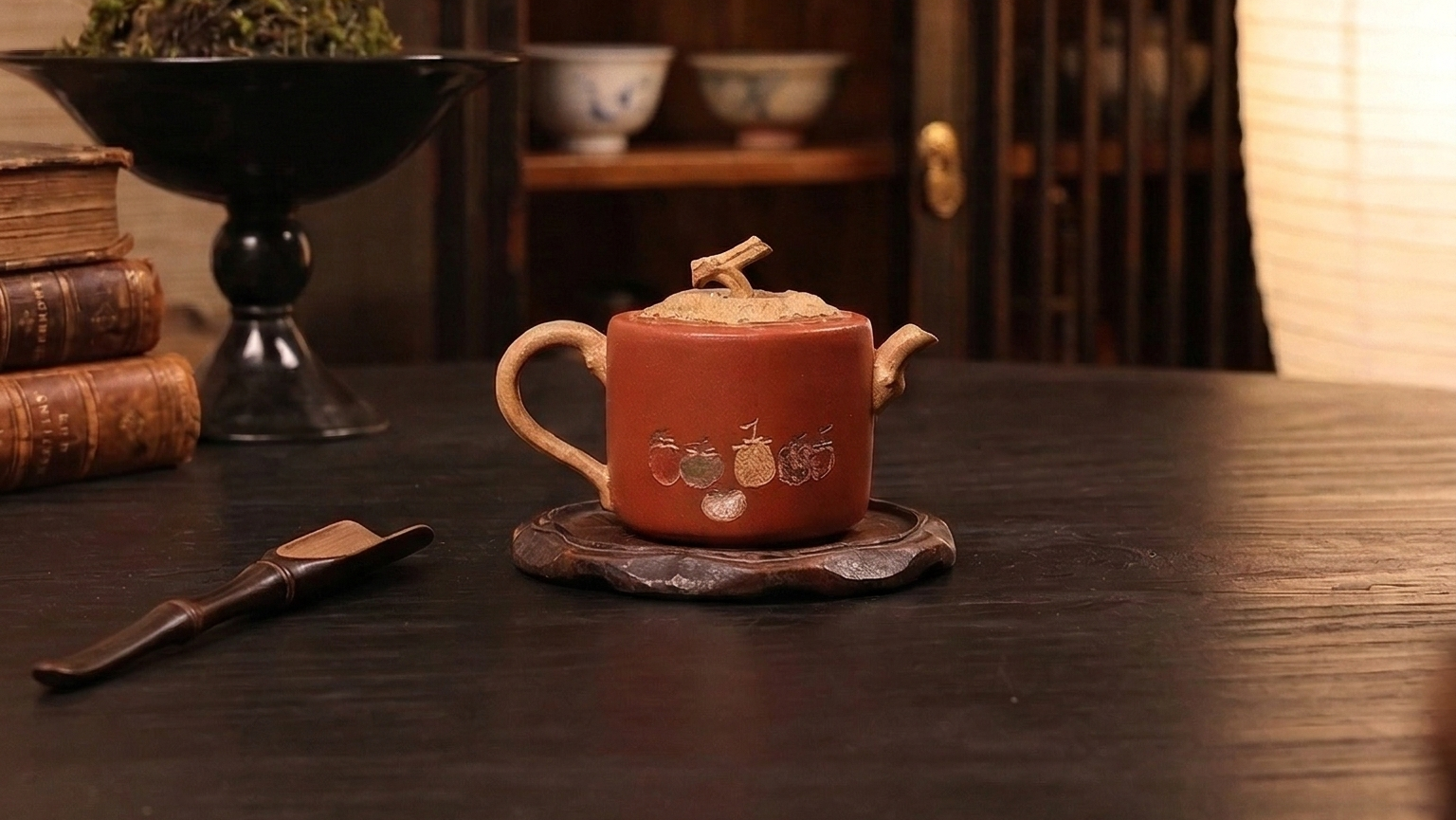
Over centuries, aficionados have been enthralled by the uncommon charm of Yixing Zisha teapots. Originating from the locality of Yixing in the region of Jiangsu, these containers are renowned for their prominent beauty, singular clay, and congenital ability to enhance the flavor of the brew. The earth's distinctive reddish-purple hue, combined with the talented handiwork of regional makers, creates items that are and functional creations and precious assets. Owning a Zisha teapot is more than just the purchase; it's experiencing a rich cultural heritage.
Understanding Yixing Teapots: Saga, Styles, and Cost
Celebrated Yixing teapots serve as a deep past deeply intertwined with Chinese culture. Stemming in the Yixing region of Jiangsu province, these clay vessels possess a heritage stretching back to the Ming Dynasty. Former examples were functional, but through centuries, Yixing teapot creation evolved into an esteemed art form. The clay itself, known for its unique structure and ability to enhance the flavor of the tea, lasts a defining factor. Yixing teapots emerge in various patterns, broadly categorized by shape: Traditional such as Zhuni (purple clay) and Bisheng, as well as more designs. The significance of a Yixing teapot rests on several factors, including the potter’s name, the age of the piece, the rarity of the clay, and its aesthetic appeal.- Account: Ancient times
- Substance: Zhuni (purple clay)
- Estimation Aspects: Craftsman's renown
Art of Zisha Pottery: Craft and Creators
That creation of a true Zisha teapot is a challenging process, requiring decades of knowledge. Accomplished artisans meticulously gather the best Zisha clay, a unique earth found only in specific regions of China. Longstanding techniques, often transmitted through families, involve exact shaping, refined carving, and calm firing in ancient fireplaces. The final teapot isn't merely a holder; it's a testament to artistic vision and the intense connection between the potter and their ancestry. Each piece showcases the distinctive touch of the maker, resulting in a truly unparalleled work of masterpiece.
Historical Teapots: Understanding the Extensive Traditions of the Yixing Locality
Yixing, positioned in Jiangsu the expanse, is internationally renowned for its exceptional cookware – a tangible representation of centuries of Chinese art. These aren't merely vessels for making tea; they are intricate works of creativity, often reflecting cultural ideals. That unique purple clay, known as Zisha, possesses uncommon qualities: this material dense, absorbent, and imparts a subtle tone to Purple Clay Teapot the tea.
- Several households have honed the techniques of Yixing container making, passing down traditional methods through lineages.
- Admirers prize these pieces for their charm and uniqueness.
- A number of urn tells a story, connecting the user to a rich background.
Exploring Yixing Zisha: What to Look For
As evaluating obtaining Yixing Zisha earthenware, a range of factors warrant careful evaluation. First of all, the element's pigment is paramount; authentic Zisha traditionally exhibits a distinct reddish-brown shading. In addition, assess the workmanship; distinct characteristics and a polished coating reveal proficient making. At last, study the fabricator's profile; distinguished names draw boosted amounts and often supply a more appreciation.
Brewing Excellence with Zisha Teapots
Crafting flavorful tea with a Zisha pot is more greater than a simple process; it's an art. Zisha clay, recognized for its unique chemical composition, imparts a soft character to the composed tea that’s often gone with other pots. The right water thermal condition is fundamental; typically, reduced than what's used for black tea, to keep the tea's scent and flavor. Consider scrupulously the tea kind; delicate green teas or aged pu-erhs excel from the Zisha’s ability to smooth their natural edge. It’s imperative to prepare the teapot in advance of brewing, and to prevent over-steeping. Mastering this art leads to a factually exceptional tea moment.
- Comprehending Zisha Clay
- Water Temperature & Type of Brew
- Role of Pre-treatment
Preserving Your Yixing Earthenware
So as to ensure the persistence of your valuable Yixing teapot, routine attention is utterly indispensable. Do not using harsh substances; instead, mildly immerse it with moderately heated water. Escape significant transitions; don't rest the vessel directly onto a thermally active burner. Periodically, strengthen the vessel by processing it with premium refined infusion, as this improves to improve its quality and preserves the peculiar attributes of the component.
Regarding Earth to Cup: The Progression of a Traditional Brewing Device
This creation of a Zisha teapot is a notable technique, a indication to both the land’s bounty and the competence of the craftsperson. It originates with the exact extraction of the special clay from the burgundy Zisha mines not far from Yixing. This natural material, known for its magnificent peculiarities, is then measuredly cleaned and ready for the early forming. The urn’s silhouette is carefully built using a combination of ancient wheel throwing processes, often incorporating decorative embellishments. Following ripening, the vessel undergoes a essential first firing, accompanied by a dressing stage, which might involve diverse layers of natural Zisha solutions. Finally, a second, and sometimes third, firing at elevated temperatures finishes the manufacture, revealing its resolved beauty and exceptional characteristics - a genuine masterpiece, set to beautify a tea tradition.
{Yixing Teapots: A Reflection of a Culture and Admiration
The Yixing region teapots, originating from the well-known Yixing region of Jiangsu province, are far more than mere wares for brewing elixirs; they represent a meaningful aspect of Chinese society. Fabricated from distinctive purple clay – zisha – these distinctive teapots are highly appreciated for their ability to amplify the flavor of the tea and, crucially, for their splendor. The history of Yixing teapot making spans centuries, and the skill involved is passed down through generations, making each teapot a work of art that embodies ancient techniques and a profound appreciation for the simple pleasures in life.