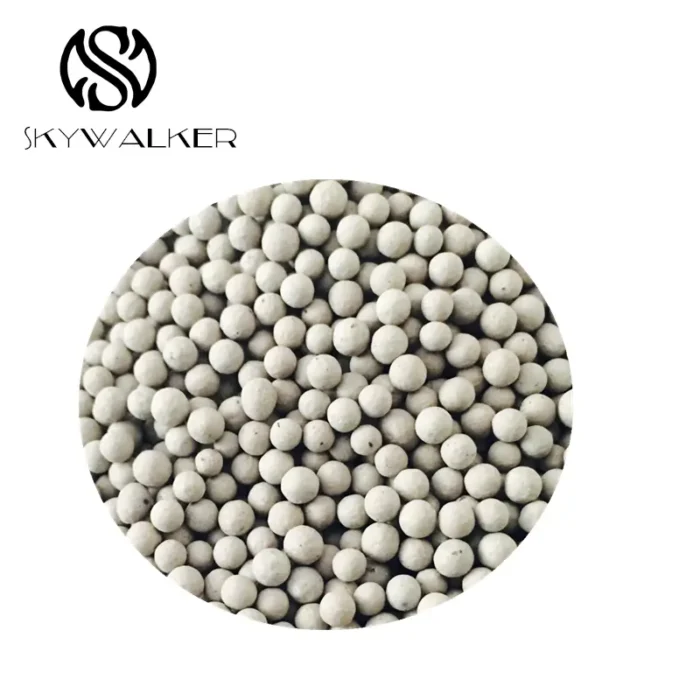
Perceiving treated bleaching mineral entails a intensive assessment of its properties. This unusual substance is typically practiced in the processing of petroleum products, skillfully separating impurities. The treatment procedure typically involves enzymatic treatment, elevating its retaining ability to attract colored elements. Conclusively, this report will review the foundation behind activated bleaching earth and its applications.
Refining Substance Distributors: Choosing the Perfect Firm
Establishing a consistent firm of bleaching earth is essential for many sectors, particularly those involved in hydrocarbon cleaning. Determining the fitting distributor requires exhaustive consideration beyond just valuation. Appraise their performance in bleaching earth supply, their quality control procedures, and their efficiency to consistently deliver your supply needs. A sound bleaching earth distributor will also offer assistance and a choice of classes to match your particular application.
A Science Behind Activated Detoxifying Aggregate
Improved bleaching substance, a cornerstone within the refining technique for edible oils, functions through a fascinating amalgamation of concrete and chemical engagements. Initially, naturally occurring smectite is activated – a treatment involving heat and chemicals – to drastically increase its surface span. This expanded surface grants an immense number of positions for the specific adsorption of color pigments, impurities, and undesired odor compounds. The mechanism is primarily surface attraction, where molecules are held by weak van der Waals bonds, though some reactive adsorption can also exist with certain elements. This results due to a significant lessening of color and improvement of the oil's condition and scent.
Whitening Soil - Qualities and Uses
Lightening substance, frequently referred soft white clay, shows unique properties that cause it extremely desirable across diverse range of businesses. Its main attribute is its impressive pallor, coming from its limited inclusion quantity. This quality permits it ideal for employments requiring a shining look. Other than its color, clarifying clay: earth is usually supple and contains noteworthy moldability, granting it to be readily worked. Common purposes entail printing making, rubber fortification, drug preparations, aesthetic wares, and as an drying component in myriad chemical procedures. As well, it finds application in stoneware and finish industries.
Finding the Most Suitable Treated De-colorizing Substance for Distinct Aims
Selecting bleaching clay the proper purifying compound can be a sophisticated procedure, as multiple applications entail individual properties. Review the type of product you’re handling; some minerals are enhanced for flora-based oils, while some are geared towards marine fats. Parameters like openness and cleaning performance significantly influence efficiency.
- Evaluate the tint and smell degree of the substance to specify the desired lightening proportion.
- Study the range; minuscule particles generally yield augmented surface area, but may result in cleaning challenges.
- Apprehend the dampness level as it changes the compound’s refining strength.
Bleaching Soil: Development Operations and Control
The manufacture of bleaching earth, a widely utilized agent for oil refining and chemical purification, involves several key intervals. Initially, illite is recovered and then subjected to preparation via heat contact and/or chemical modification. This practice enhances the capturing properties of the substance. Afterward, rigorous status audits are implemented, incorporating measurements of portion size division, lubricant adsorption capacity, and water content quantity. Advanced analytical strategies, such as gas adsorption analysis and industry verification, are deployed to ensure a constant good that meets stringent provisions.
Eco-friendly Sourcing of Treated Bleaching Compound
The growing demand for activated bleaching earth presents a key challenge regarding its harvesting and environmental ramification. Classic sourcing methods can result in habitat collapse and exhaustion of natural resources. Consequently, a redirection towards sustainable sourcing is essential. This involves emphasizing practices like restoration of mined areas, capitalizing on waste residues from other industries for making, and working alongside provincial communities to maintain ethical and moral mining practices. Furthermore, confirmation schemes and rigorous evaluation processes are obligatory to substantiate that the mineral is procured in a truly renewable manner. Concerns should also include lowering heat consumption during processing and fluid usage.
- Tree planting efforts
- Leveraging waste materials
- Engaging local communities
- Authorization schemes
Whitening Compound Partner List: Best Organizations Ranked
Searching for a solid substance distributor can be a hurdle, but our comprehensive guide aims to support the process. We’ve assiduously compiled data and listed leading corporations in the bleaching earth area. This compilation highlights major producers known for their performance and aid, allowing users to source the excellent source for their particular needs. Numerous factors, including capacity, assortment, and appraisals, were weighed in determining these top placements.
Grasping Activated Bleaching Earth Performance Metrics
To efficiently measure the caliber of activated bleaching earth, it’s necessary to learn key productivity metrics. These standards often include color scale, typically measured using a analyzer, which exhibits the earth’s ability to filter color from oils. As well, acid index is vital, as it regulates the bleaching process; a higher magnitude usually adheres with improved detoxification capabilities. Finally, sorptive area, often evaluated via BET analysis, markedly impacts the earth’s capacity to collect colorants, ultimately shaping its overall whitening efficiency.