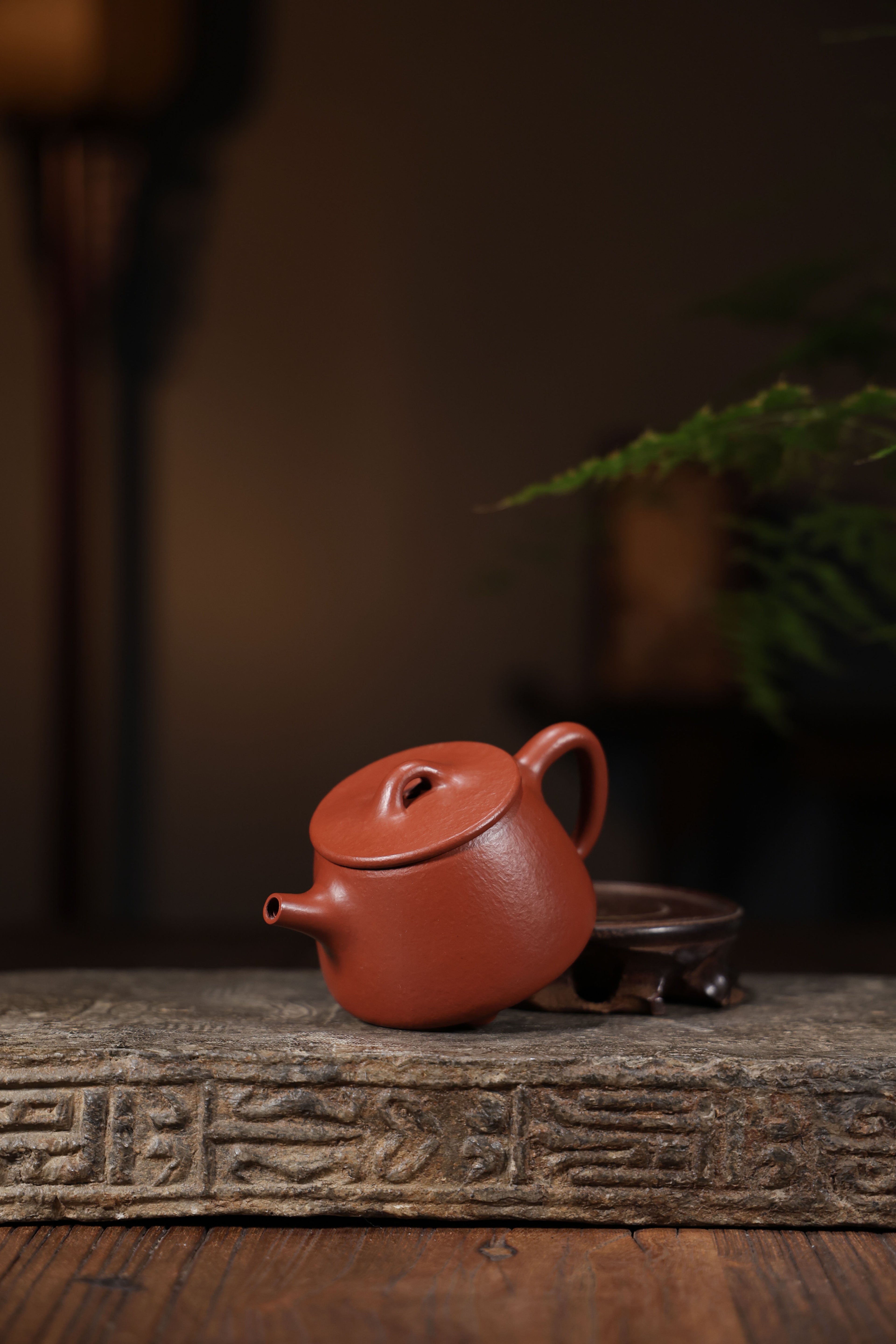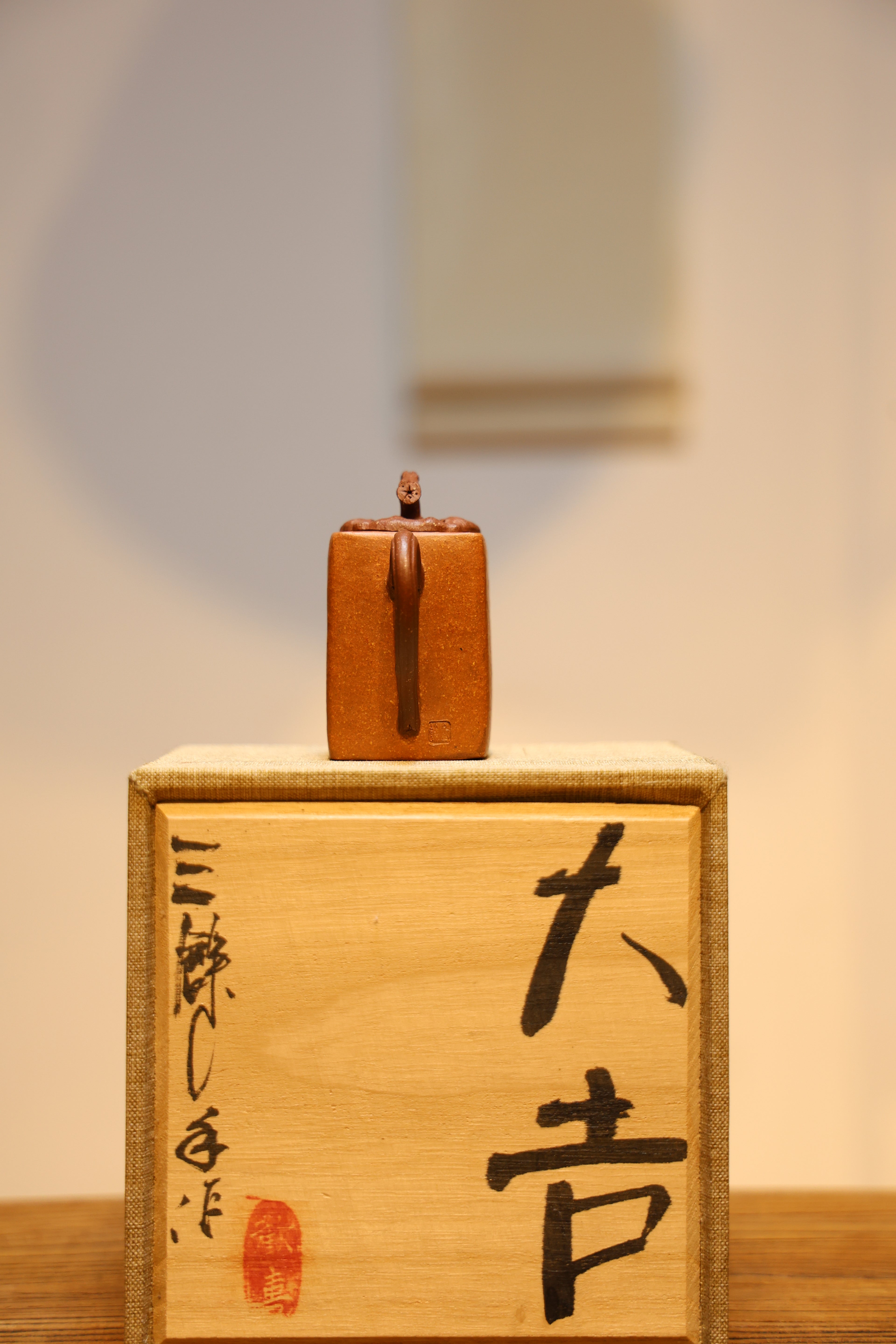
In the realm of timeless legacies,
For epochs, enthusiasts have been ensnared by the rare charm of Yixing Zisha carafes. Originating from the territory of Yixing in the region of Jiangsu, these artifacts are renowned for their distinguished beauty, scarce clay, and intrinsic ability to perfect the aroma of the drink. The material's distinctive mahogany hue, combined with the masterful fabrication of indigenous sculptors, creates products that are equally functional designs and cherished holdings. Collecting a Zisha teapot is more than just an purchase; it's immersing oneself in a rich historical heritage.
Comprehending Yixing Teapots: History, Models, and Cost
Yixing teapots manifest a extensive heritage deeply intertwined with Chinese culture. Emerging in the Yixing region of Jiangsu province, these clay vessels boast a heritage extending back to the Ming Dynasty. Initial examples were functional, but throughout centuries, Yixing teapot forging evolved into an esteemed art form. The clay itself, known for its unique grain and ability to augment the flavor of the tea, remains a defining factor. Yixing teapots materialize in various kinds, broadly categorized by shape: Standard such as Zhuni (purple clay) and Bisheng, as well as refined designs. The price of a Yixing teapot is on several factors, including the potter’s distinction, the age of the piece, the rarity of the clay, and its aesthetic allure.- Origins: Historic epoch
- Composition: Diverse kinds
- Pricing Criteria: Age
Art of Zisha Pottery: Craft and Individuals
Unique crafting of a bona fide Zisha teapot is a sophisticated process, requiring periods of experience. Seasoned artisans meticulously source the excellent Zisha clay, a specialized earth found only in specific regions of China. Traditional techniques, often bestowed through families, involve exacting shaping, sophisticated carving, and gradual firing in ancient incinerators. The ultimate teapot isn't merely a vessel; it's a testament to innovative vision and the deep connection between the creator and their heritage. Each product showcases the special touch of the craftsman, resulting in a truly rare work of pottery.
Classical Ceramics: Surveying the Deep Practices of Yixing
Famous Yixing, set in Jiangsu the territory, is widely renowned for its exceptional cookware – a tangible representation of centuries of Chinese art. These aren't merely vessels for preparing tea; they are intricate works of innovation, often reflecting conceptual ideals. Yixing's unique Purple Clay Teapot purple clay, known as Zisha, possesses notable qualities: it dense, permeable, and imparts a subtle quality to the tea.
- Many clans have honed the techniques of Yixing jar making, passing down exclusive methods through ages.
- Connoisseurs prize these pieces for their grace and rarity.
- Some object tells a chronicle, connecting the drinker to a rich history.
Engaging in Yixing Zisha: Essential Tips
When looking into buying Yixing Zisha containers, several distinct components demand careful scrutiny. First of all, the element's pigment is key; authentic Zisha conventionally exhibits a pronounced reddish-brown shading. Moreover, assess the technique; clear aspects and a sleek coating reveal accomplished production. To finish, examine the craftsman's standing; well-known names garner elevated costs and often guarantee a stable return.
How to Brew Premium Tea with Zisha Clay
Infusing sumptuous tea with a Zisha urn is more above a simple method; it's an craft. Zisha clay, renowned for its unique structural composition, imparts a nuanced character to the composed tea that’s often unavailable with other wares. The correct water heat is vital; typically, subdued than what's used for black tea, to save the tea's perfume and taste. Consider carefully the tea breed; delicate green teas or aged pu-erhs excel from the Zisha’s ability to smooth their natural edge. It’s imperative to prepare the teapot in advance of brewing, and to prevent over-steeping. Mastering this art leads to a factually exceptional tea moment.
- Comprehending Zisha Clay
- Thermal Measure & Tea Sort
- Criticality of Initial Heating
Preserving Your Esteemed Container
For the purpose of extend the continuity of your beautiful Yixing jar, routine upkeep is decisively crucial. Forgo using abrasives; instead, delicately bathe it with tepid hydrous medium. Shun sudden variations; don't position the clay pot directly onto a burning area. Periodically, enrich the clay pot by percolating it with fine matured brew, as this facilitates to enhance its essence and protects the singular essentials of the earth.
With respect to Soil to Drinkware: The Path of a Renowned Ceramic
This creation of a Zisha teapot is a impressive process, a proof to both nature's bounty and the ability of the fabricator. It begins with the precise extraction of the extraordinary clay from the purple Zisha mines adjacent to Yixing. This pristine material, known for its exceptional attributes, is then steadily cleaned and shaped for the preliminary forming. The bottle’s form is masterfully assembled using a combination of time-honored molding strategies, often incorporating intricate embellishments. Following ripening, the urn undergoes a paramount first firing, followed by a coating stage, which might involve diverse layers of organic Zisha solutions. Finally, a second, and sometimes third, firing at elevated temperatures realizes the creation, revealing its complete beauty and magnificent characteristics - a honest masterpiece, ready to enhance a tea gathering.
{Yixing Teapots: A Token of the Custom and Tribute
Legendary Yixing teapots, originating from the acclaimed Yixing region of Jiangsu province, are far more than mere jars for brewing infusions; they represent a profound aspect of Chinese culture. Crafted from distinctive purple clay – zisha – these exceptional teapots are highly valued for their ability to improve the flavor of the tea and, crucially, for their aesthetic appeal. The legacy of Yixing teapot making spans centuries, and the craft involved is inherited through generations, making each teapot a artistic creation that embodies ancient techniques and a profound appreciation for the understated pleasures in life.